Wood, finishes, adhesives, structures, vibration and guitar acoustics.
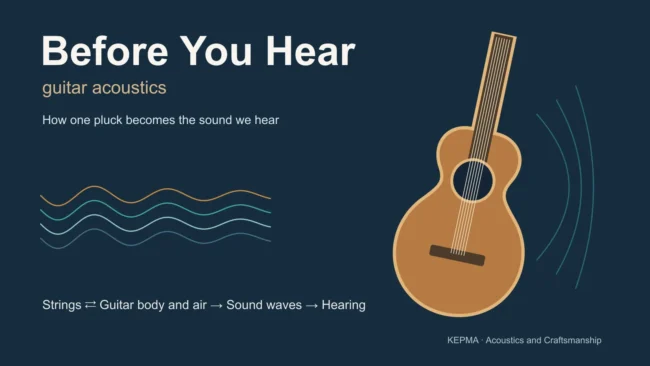
Explore guitar acoustics with Kepma: how strings, bridge, body, air and hearing work together. Ten hands-on models, listening examples and measurement images help you understand sound and compare your guitar more clearly.
How guitar finishes affect mass, stiffness and damping. Compare nitro, polyester, polyurethane, shellac and oil finishes by thickness, protection and repair.
Part 1: The Anatomy of a Guitar Top: Understanding the Origins of Its Appearance Manufacturers and suppliers define visual grades; AA, AAA and master grade are not universal acoustic standards. Figure, silking and colour cannot replace checks of defects, material properties and the completed instrument. 1.1 The Cornerstone of Tone: An Introduction to Spruce and…
Understand how strings, bridge, soundboard and air interact in an acoustic guitar. Explore energy transfer, radiation and the limits of simplified models.
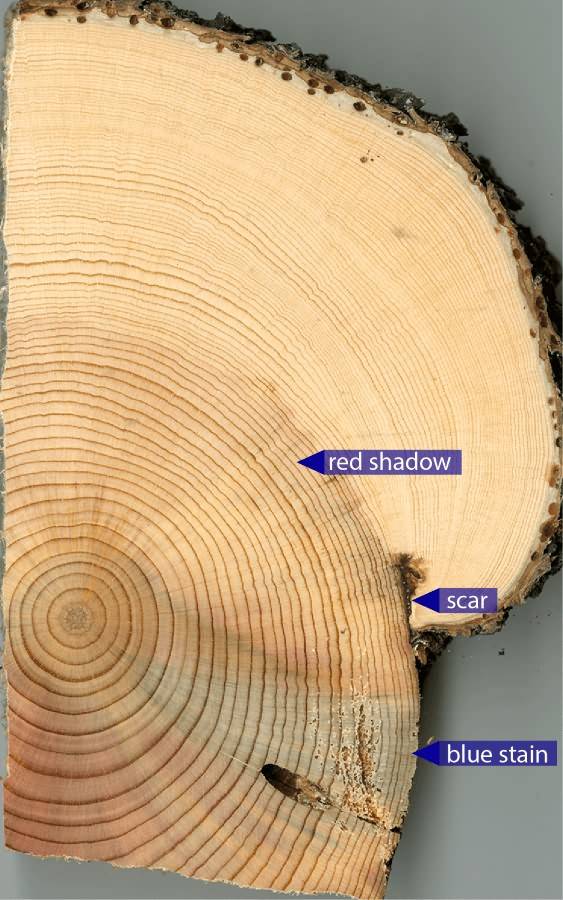
Learn what bearclaw spruce reveals about appearance and material structure. Distinguish specimen tests from guitar tone, and compare condition, playability and price.
Guitar smells come from wood, glue, finish, cases and storage. Learn how cedar species differ and why scent is no guide to tone or wood quality.
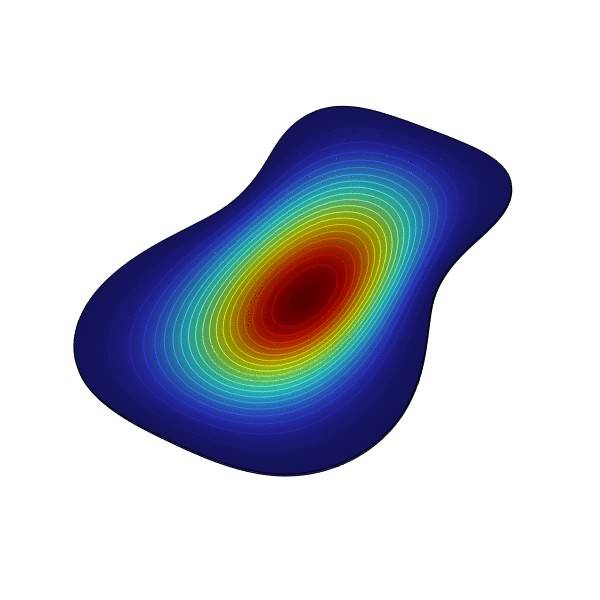
Understand guitar modes, damping and coupling, with the assumptions behind vibration equations and an illustration of nodes and antinodes.
Choose guitar woods by density, directional stiffness, loss and moisture. Understand impedance, radiation-ratio limits and equilibrium moisture estimates.
Compare guitar adhesives by joint fit, load, cure and repairability. Understand hide glue, wood glues, CA, epoxy, open time and water-resistance limits.