Part 1: The Anatomy of a Guitar Top: Understanding the Origins of Its Appearance
Before diving into the various visual differences and so-called “flaws” of guitar tops, we must first establish a baseline by understanding the qualities of an ideal top-grade soundboard. This section lays out the scientific foundations of top wood, providing the physical and biological context for the discussion that follows. The visual characteristics of a top never exist in isolation; they are often a direct expression of its acoustic and structural potential.
1.1 The Cornerstone of Tone: An Introduction to Spruce and Cedar
The woods used for acoustic guitar tops are primarily softwoods, coming from coniferous species. They are selected for their outstanding physical properties, with spruce and cedar being the two most classic and widely used choices.
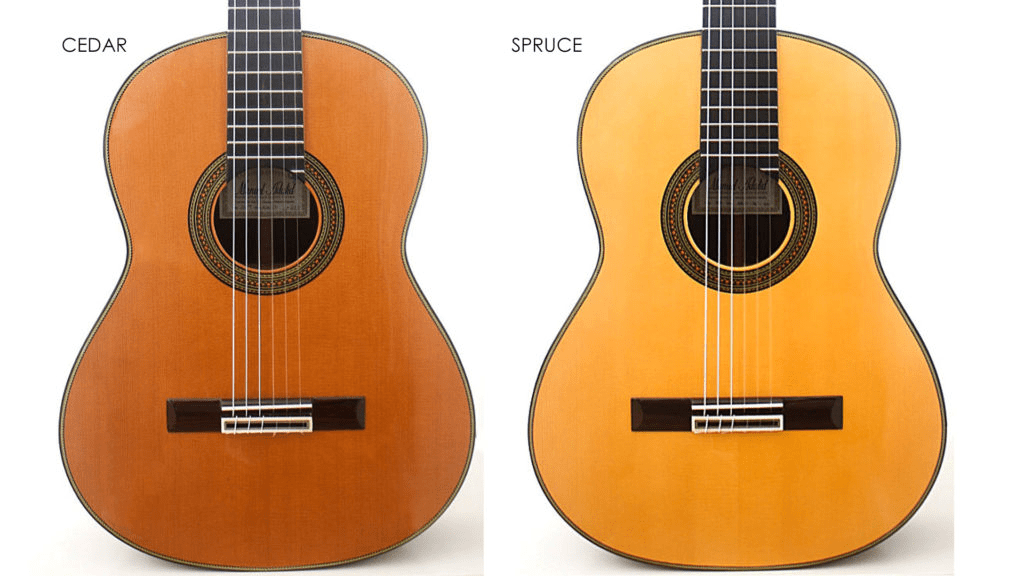
- Spruce: Whether Sitka spruce, Adirondack spruce, or other varieties, spruce is the first-choice top wood for the vast majority of guitars. Its core advantage lies in an exceptionally high strength-to-weight ratio: it stays lightweight while offering excellent stiffness. This allows a spruce top to deliver a wide dynamic range, responding clearly to both delicate fingerpicking and forceful strumming, with a bright, projecting tone. Visually, spruce has a pale base color, typically creamy white or light yellow, which provides a clear baseline for observing the color variations discussed later in this article.
- Cedar: Western Red Cedar is another highly regarded top wood, especially favored by fingerstyle players. Compared with spruce, cedar is less dense and softer, making it more responsive to a light touch. Its tone is warm and rounded, and it usually reaches tonal maturity without a long “playing-in” period. Its natural color is darker, ranging from reddish brown to deep brown, creating a striking visual contrast with spruce. This inherent color difference between the two woods is the most basic form of the guitar top “color variation” issue.
1.2 The Importance of the Cut: Quartersawing, Grain Orientation, and Silking
How a log is converted into a soundboard plays a decisive role in its final structural stability and acoustic quality. The cutting method is a crucial step in this process.
- Quartersawing: This is the preferred method for converting logs into instrument-grade wood. The craftsman first splits the log along its radius into quarter-shaped wedges, then cuts boards from those wedges. Boards obtained this way have growth rings (grain lines) running almost perpendicular to the face of the top, a condition known as “vertical grain”. Quartersawn wood performs best in resisting string tension, maintaining long-term stability, and maximizing cross-grain stiffness — all indispensable physical properties of a top-grade soundboard.
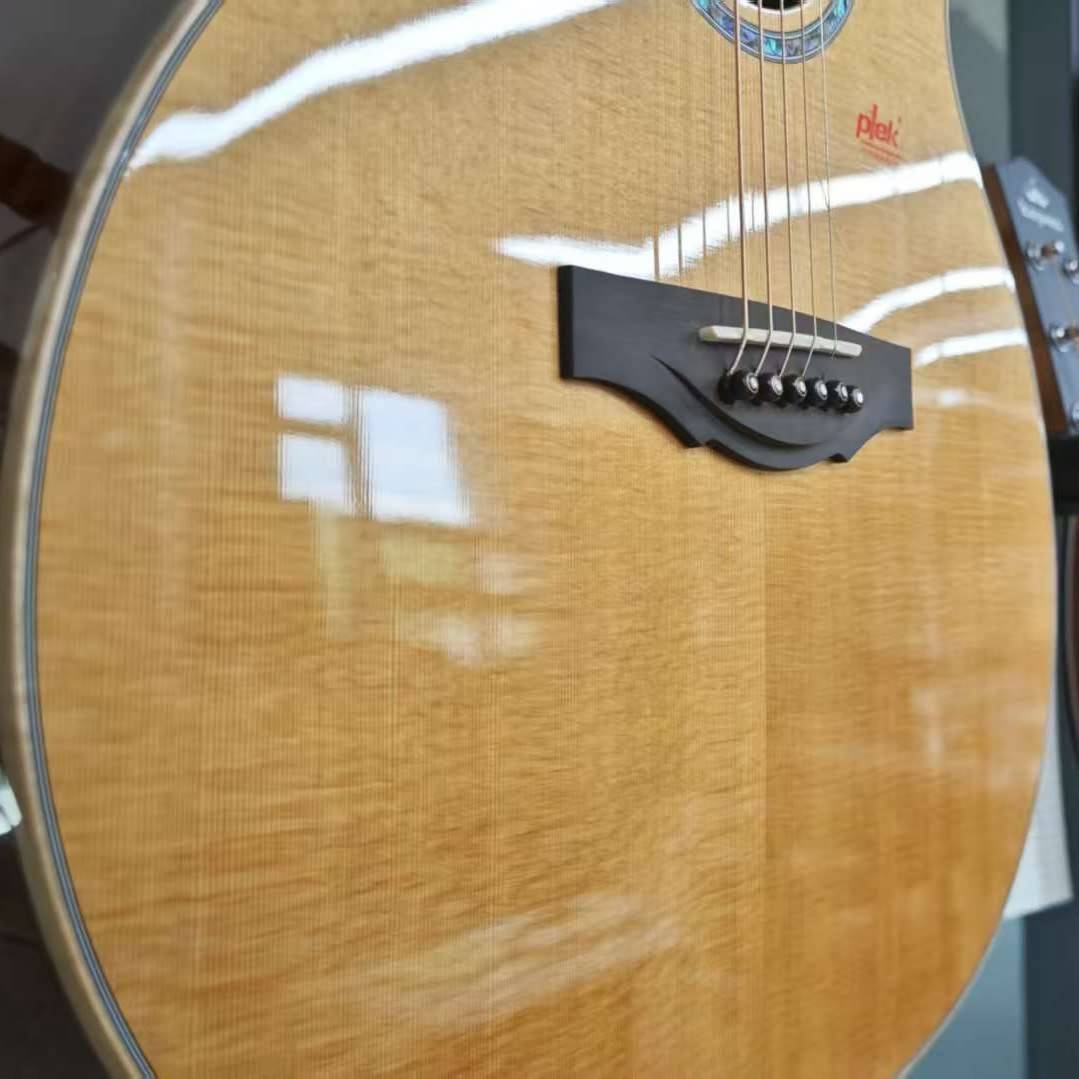
- “Silking” (Medullary Rays): When examining a perfectly quartersawn spruce top, you can often see fine, silk-like shimmering lines running horizontally between the vertical grain lines. This phenomenon is known as “silking” or “medullary ray figure”. These silky lines are not a flaw — quite the opposite: they are clear visual evidence of superior cutting technique. Medullary rays are the channels that transport nutrients horizontally within the tree, and they only become clearly visible when the cutting plane is exactly parallel to them (i.e., a perfect quartersawn cut). Prominent silking is therefore not only beautiful; it is also a reliable indicator that the wood has maximized structural strength and the best potential for acoustic vibration. Its visual appeal is, in fact, the direct outward expression of its outstanding physical performance.
1.3 The Biology of Color: Earlywood, Latewood, and Natural Variation
Even in perfectly cut wood, the color is never completely uniform. These subtle color variations arise from the natural patterns of tree growth.
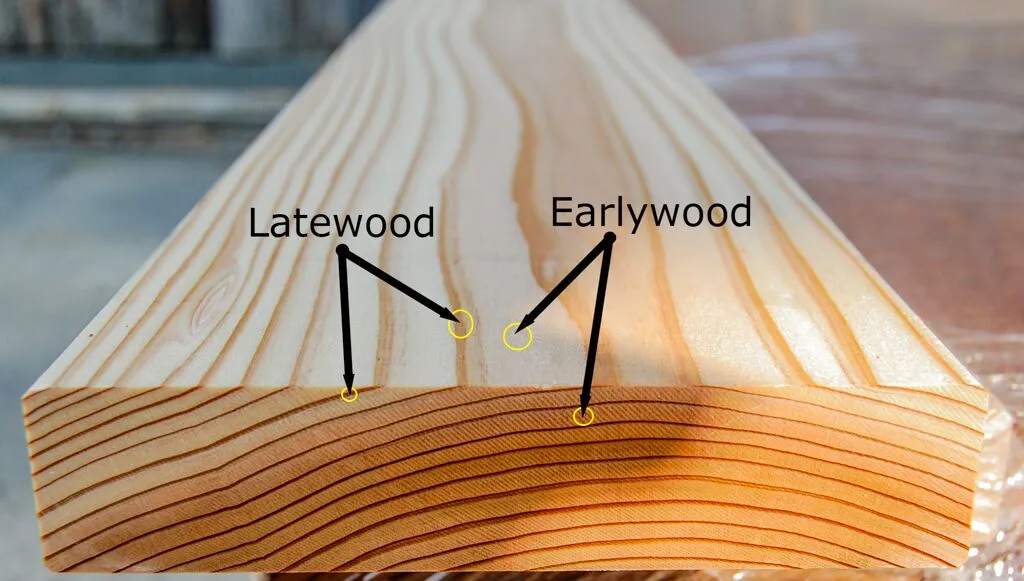
- Annual Growth Rings: The grain lines we see are actually composed of wood from two different growth phases. In spring, the tree grows quickly: the cells are larger with thinner walls, forming wood that is less dense and lighter in color — this is called “earlywood” or springwood. In late summer and autumn, growth slows: the cells become smaller with thicker walls, forming wood that is dense and darker in color — this is called “latewood” or summerwood. The difference in color and density between earlywood and latewood is what creates the visible annual ring lines.
- Natural Color Variation: A tree’s growing environment directly affects the width and color of its rings. For example, on the sun-facing side of a tree, abundant light accelerates growth, so the rings are relatively widely spaced; on the shaded side, growth is slower and the rings are denser. Likewise, mineral content in the soil and climatic stresses such as drought or heavy rain all leave their marks on the wood, causing darker ring color or irregular bands of color. These are inherent properties of wood as a natural material, and they give every soundboard its own unique “fingerprint”.
Part 2: The “Yin-Yang” Effect: Deconstructing Runout and Book-Matching
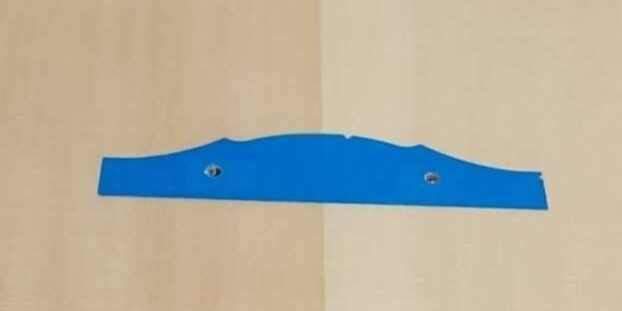
The “yin-yang effect” (sometimes described as a cross-grain sheen) is a term guitar enthusiasts frequently use to describe a top whose left and right halves appear — one light, one dark — under light. This section offers a technical analysis of the phenomenon from three perspectives: lutherie craft, wood science, and optics, revealing the causes behind it.
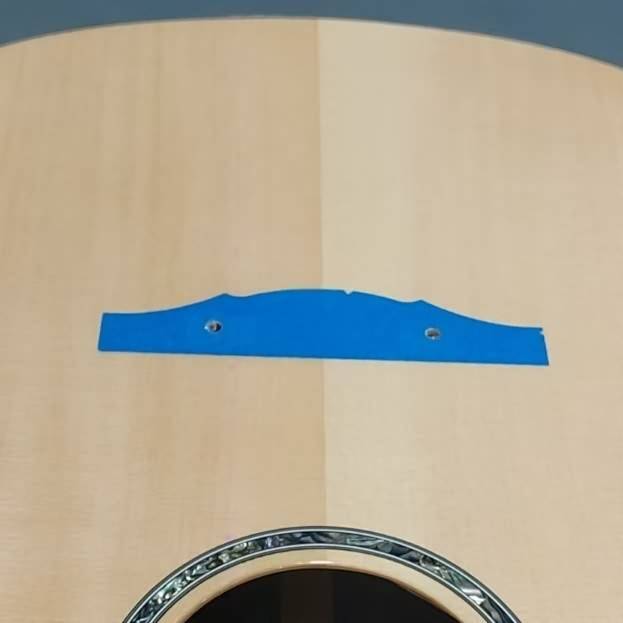
2.1 The Art of Symmetry: Understanding Book-Matching
The tops of modern acoustic guitars are usually made of two boards glued together rather than a single piece. This technique, known as “book-matching”, is the industry standard.
The luthier takes a sufficiently thick quartersawn board, saws it down the middle, and then — like opening a book — spreads the two cut faces outward, joining the original saw-line edges as the center seam. The result is a grain pattern that is perfectly symmetrical along the center line, with each half mirroring the other. Book-matching not only creates a pleasing visual symmetry; more importantly, it evenly distributes the wood’s physical properties across both halves of the top, producing a more balanced vibrational response. Yet it is precisely this pursuit of symmetry that, when certain wood issues are present, directly gives rise to the “yin-yang effect”.
2.2 Defining Runout: The Science Behind the Optical Illusion
The root cause of the “yin-yang effect” is a phenomenon known as “runout”.
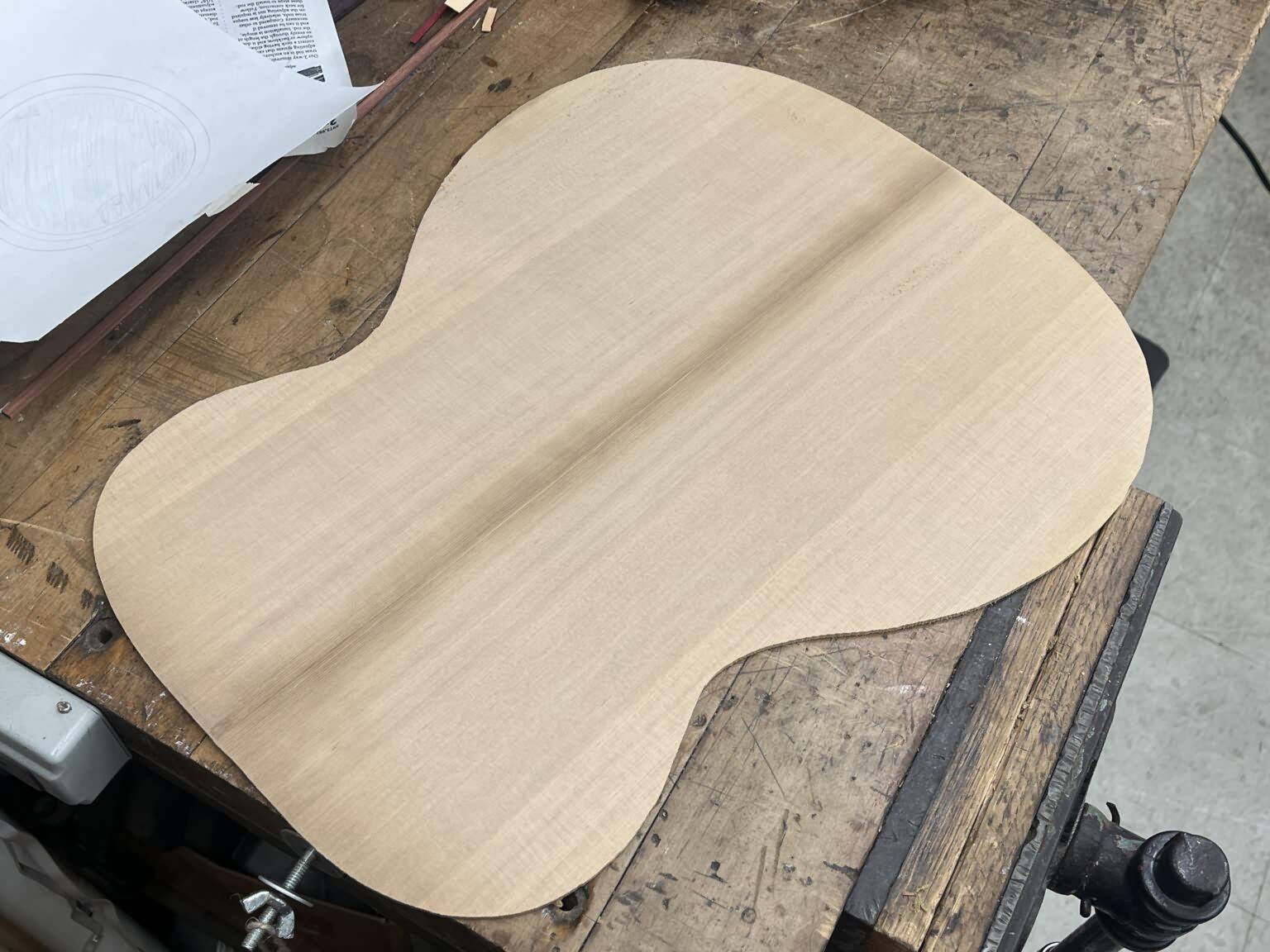
- Definition: Runout refers to sawing wood in a direction that is not fully parallel to the longitudinal axis of the wood fibers. Ideally, the fibers should run straight from the heel end of the neck to the tail of the top. When runout is present, the fibers “run out” of the board’s surface at a slight angle.
- The Light-Reversal Effect: When a board with runout is book-matched, the fiber angles of its left and right halves form a mirror relationship. As a result, light striking the top is reflected differently by the two halves. From a given angle, the viewer’s eye may glance slightly “into” the cut ends of the fibers on one side, which absorb more light and therefore look darker, while on the other side the smooth surfaces of the fibers reflect more light and look brighter. The key diagnostic feature is this: rotate the guitar 180 degrees, and the side that looked bright turns dark while the dark side turns bright. This light-reversing behavior is the signature of runout and the fundamental distinction between it and a true color difference caused by mineral deposits or similar factors. The “yin-yang effect” is therefore not a case of the wood itself having two colors, but an optical illusion produced by the interaction of light at a specific angle with the wood’s microstructure.
- In reality, wood never grows perfectly straight and never gets sawn perfectly straight either, so every piece of wood has some degree of runout; the difference is merely a matter of quantity — whether the naked eye can detect it.
2.3 Chatoyance and the “Barber Pole Effect”
This optical phenomenon, produced jointly by runout and book-matching, has its own established terminology in woodworking and materials science.
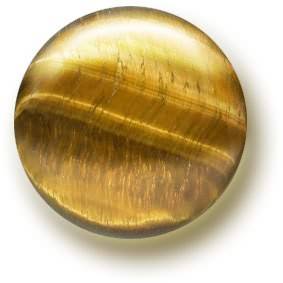
- Chatoyance: This is a term from gemology and woodworking that describes a silky luster or cat’s-eye shimmer on the surface of a material, caused by the reflection of light, whose appearance changes with the viewing angle. The “yin-yang effect” on a guitar top is a specific and prominent form of chatoyance.
Runout itself is a byproduct of imperfect sawing. To obtain wood with absolutely no runout, the highest levels of instrument making sometimes use “splitting” to obtain billets. Splitting separates the wood along its natural grain using tools rather than forcing a saw blade through it. Because splitting follows the path of the wood fibers exactly, tops made from split billets are guaranteed to have zero runout. However, the method wastes a great deal of material and is difficult to apply in mass production.
Part 3: A Field Guide to Top Geography: Flaws, Features, or Character?
Besides runout, guitar tops can display many other visual characteristics. This section classifies and analyzes the most common ones, explores the blurry boundary between “flaw”, “neutral feature”, and “desirable trait”, and reveals how market forces, resource availability, and shifting aesthetics shape these perceptions.
3.1 Mineral Streaks: Geological Signatures in the Grain
- Description: These are localized streaks on the top, usually darker in color, whose path does not strictly follow the annual ring lines. They form when the tree absorbs particular minerals from the soil as it grows; the minerals deposit in the wood’s cells and alter the color of those areas.
- Perception: Mineral streaks are generally considered a purely cosmetic issue. In certain specific contexts they are even viewed as a positive trait — on vintage Les Paul electric guitars, for instance, mineral streaks in Eastern hard maple are seen as a mark of the wood’s authentic origin. Many players also appreciate these unique marks, feeling they give a guitar a character all its own. Luthiers sometimes use chemical treatments such as acetone or lemon juice to lighten the color of mineral streaks and improve their appearance.
3.2 Bearclaw: From Flaw to Badge of Honor
- Description: This is an irregular, asymmetric, wavy shimmering figure that appears on spruce tops, crossing the vertical grain like the scratch marks of a bear’s claw. In German it is called “Haselfichte”, a special figure formed when the wood fibers curl locally.
- An Evolving Perception: Opinions about bearclaw have undergone a dramatic transformation. In the past it was widely regarded as a wood defect that high-end instrument makers deliberately avoided. Today, however, bearclaw is widely marketed as a rare, premium trait worth seeking out.
- The Modern Interpretation: This shift has a basis in wood science. Bearclaw typically appears in old trees that grew slowly and are dense and hard. These physical properties happen to coincide with the high speed of sound and high stiffness sought in top-grade soundboard wood. The presence of bearclaw is therefore taken as a reliable indicator that the wood may possess exceptional acoustic potential. Although its direct effect on tone is still debated, it has successfully become closely associated with notions of “old growth” and “high quality”.
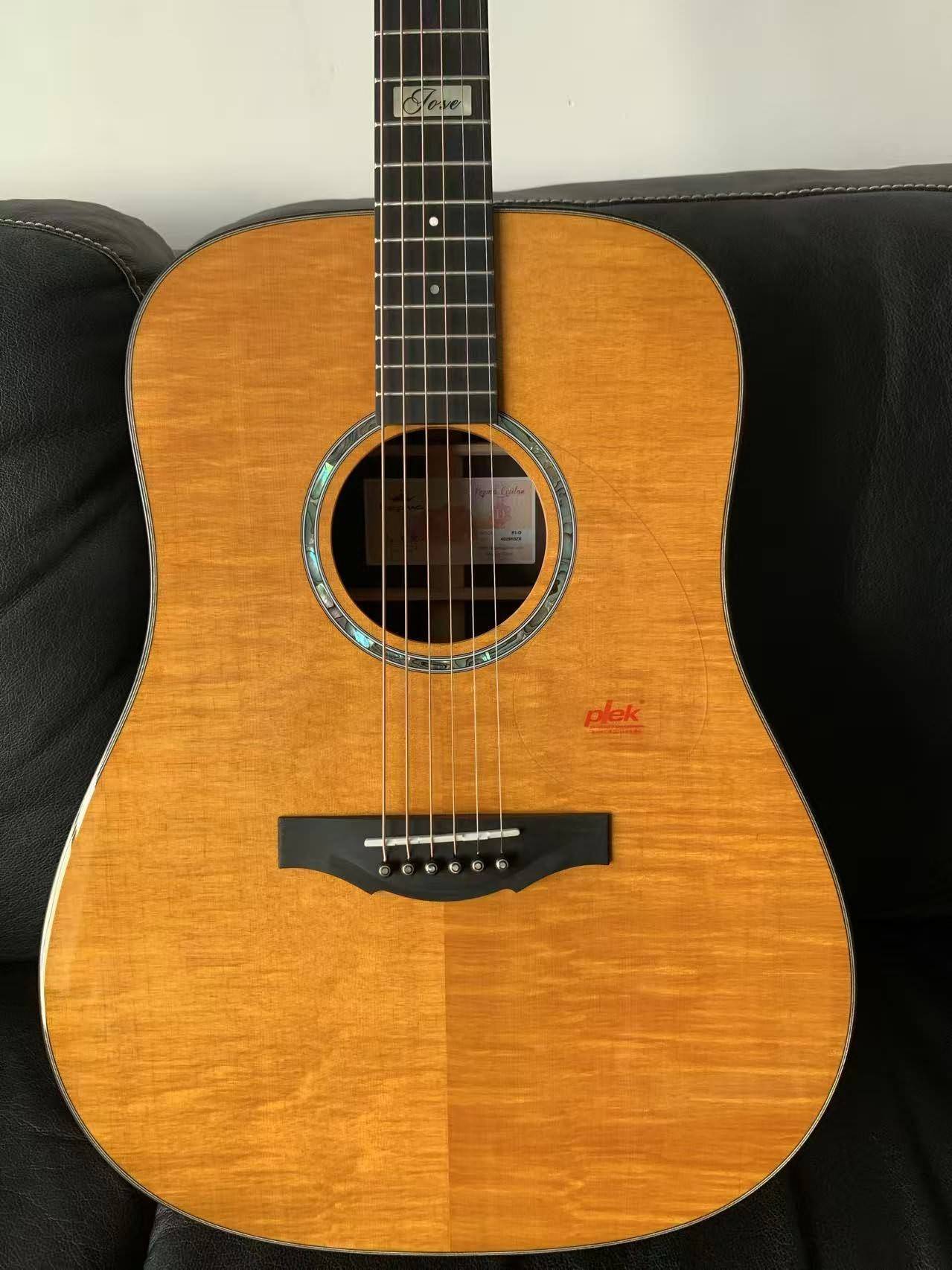
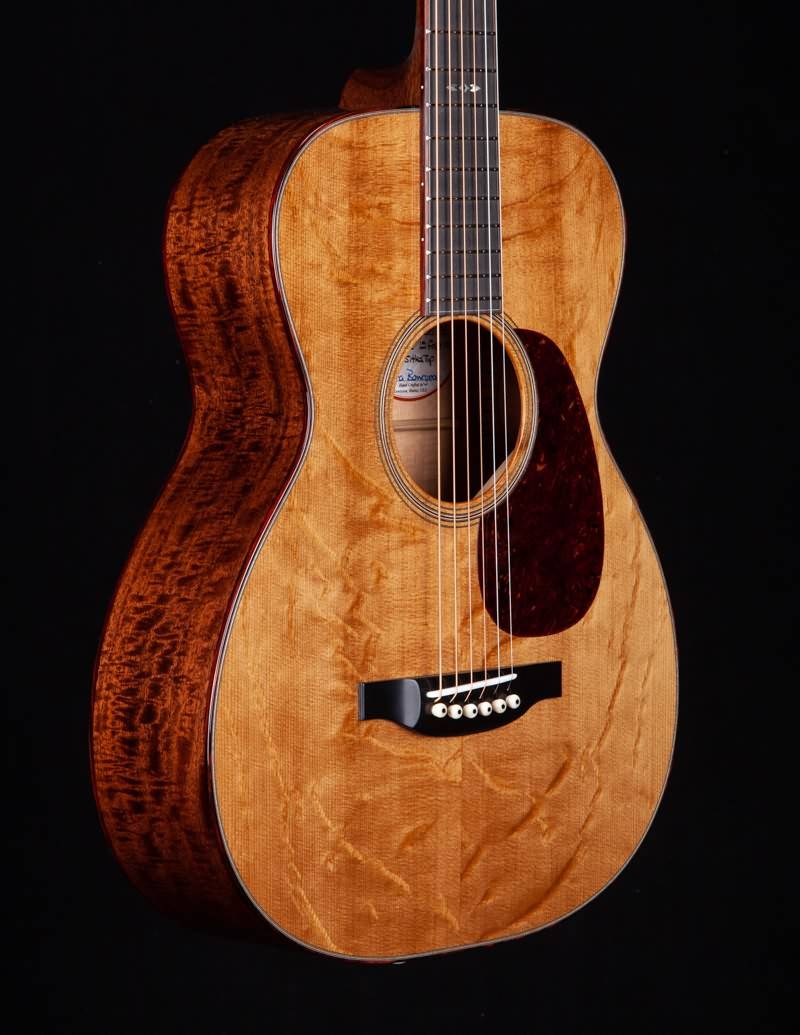
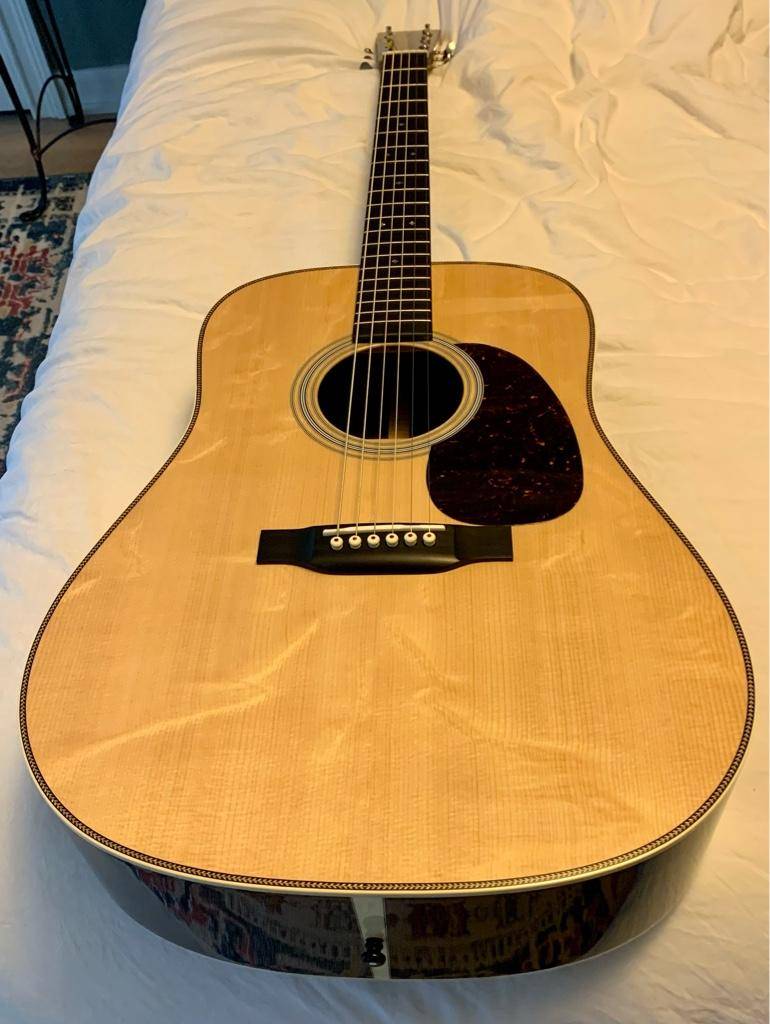
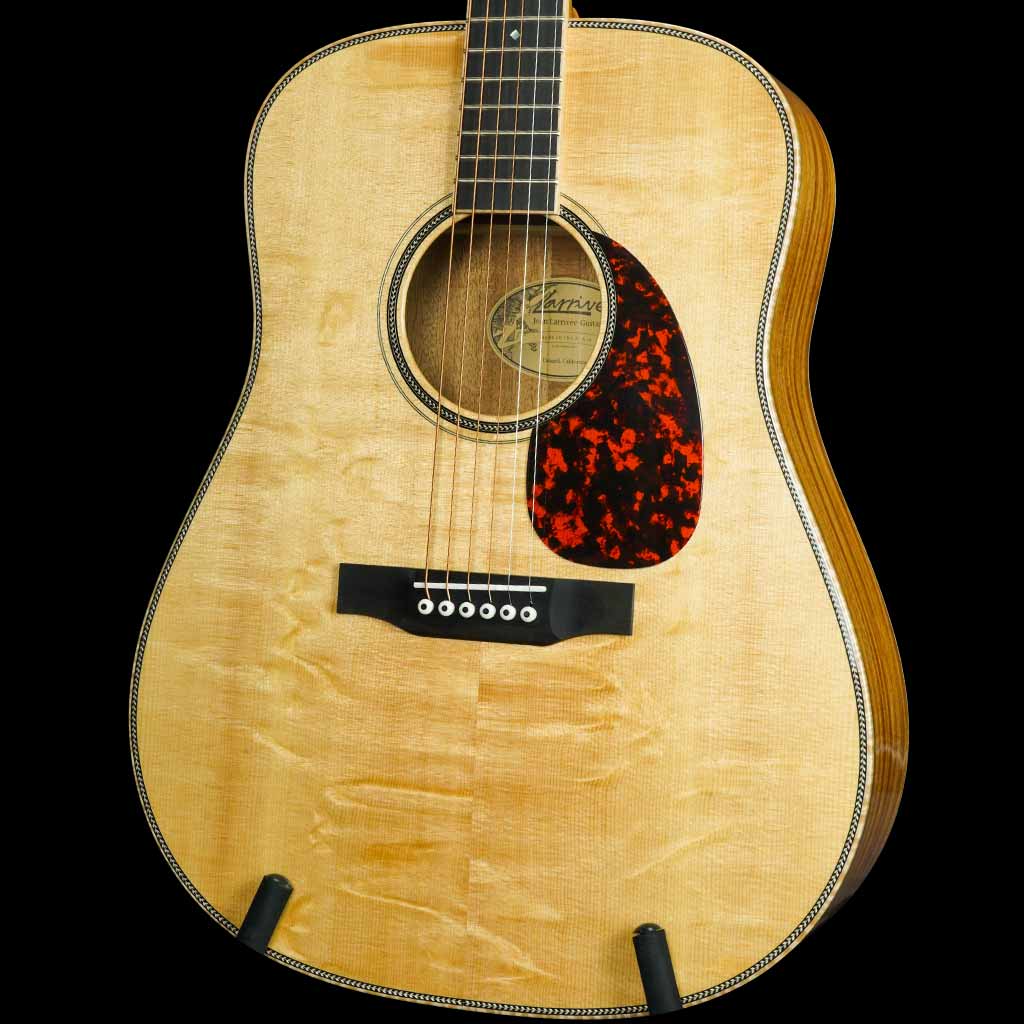
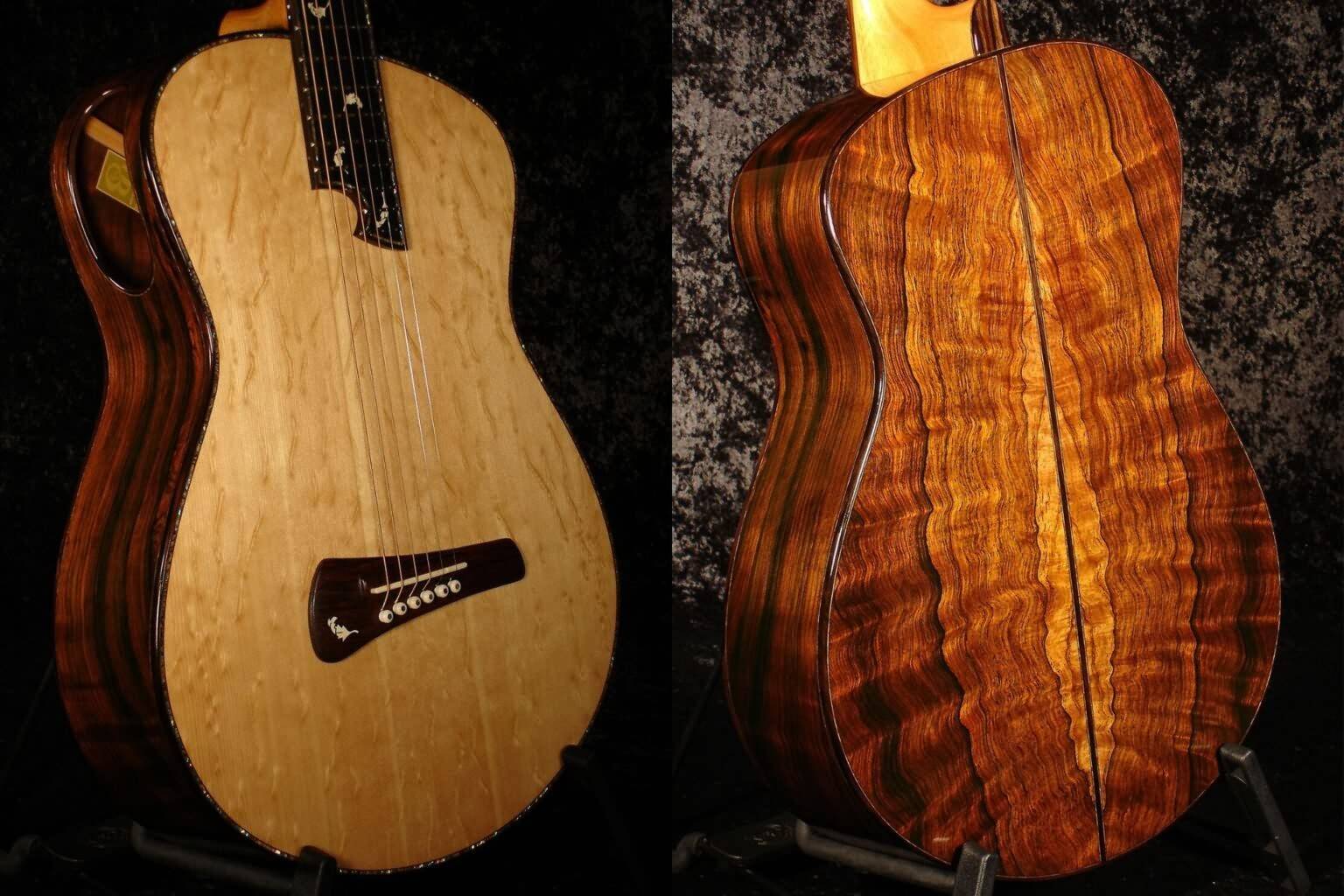
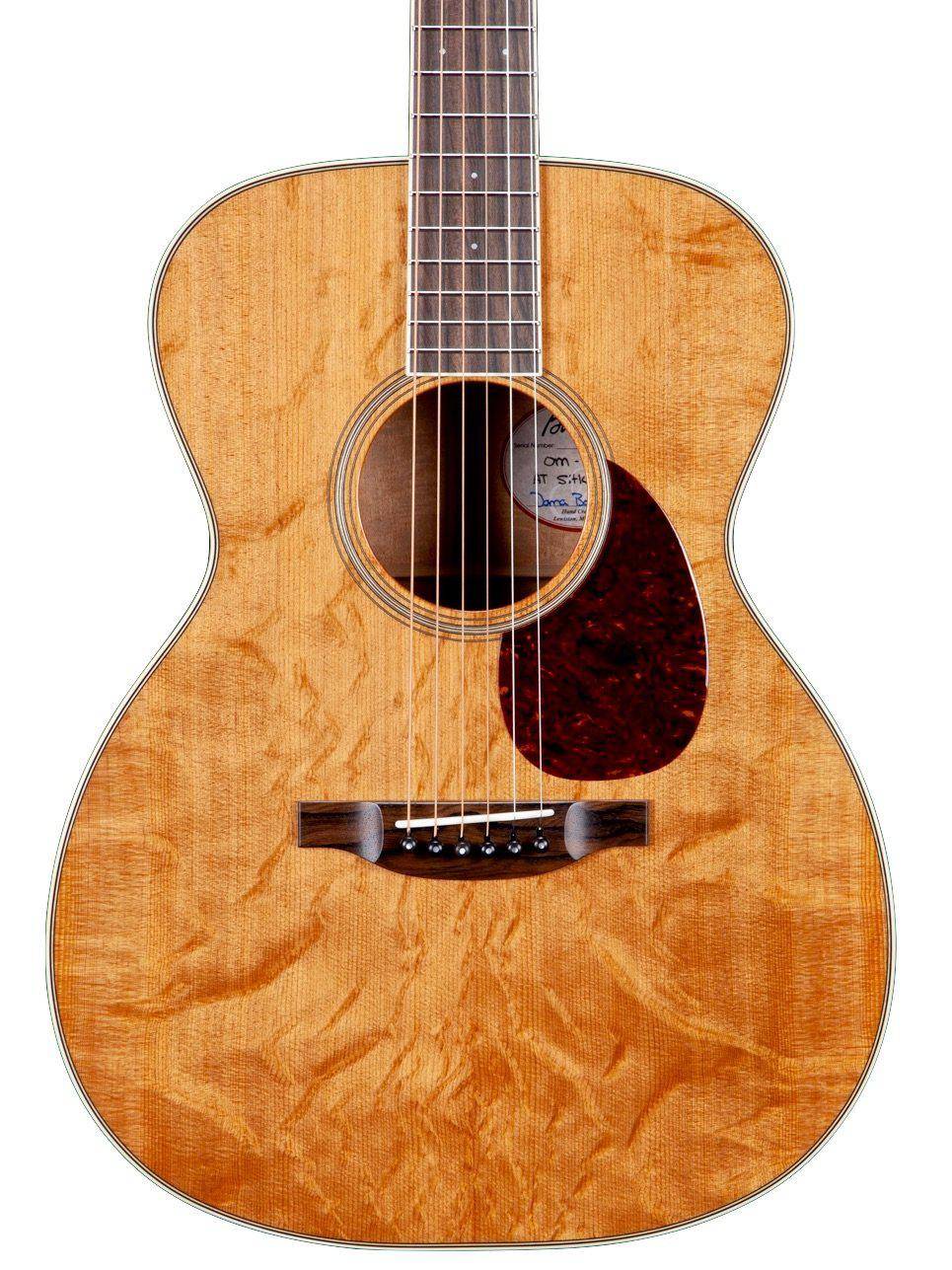
For more details on bearclaw, see this article
3.3 Other Figures and Anomalies: Knots, Swirls, and Grain Distortion
- Grain distortion / wavy grain: This refers to grain that deviates from a straight path. Mild distortion is usually regarded as merely cosmetic, but if it is very severe it may indicate an unstable fiber structure and lower strength.
- Knots / pin knots: These are usually considered serious defects on a top. A knot is the starting point of a branch, and the wood fibers around it are broken and discontinuous. This severely disrupts the top’s vibration transfer and creates a structural weak point. Any responsible luthier will reject wood with these defects during selection.
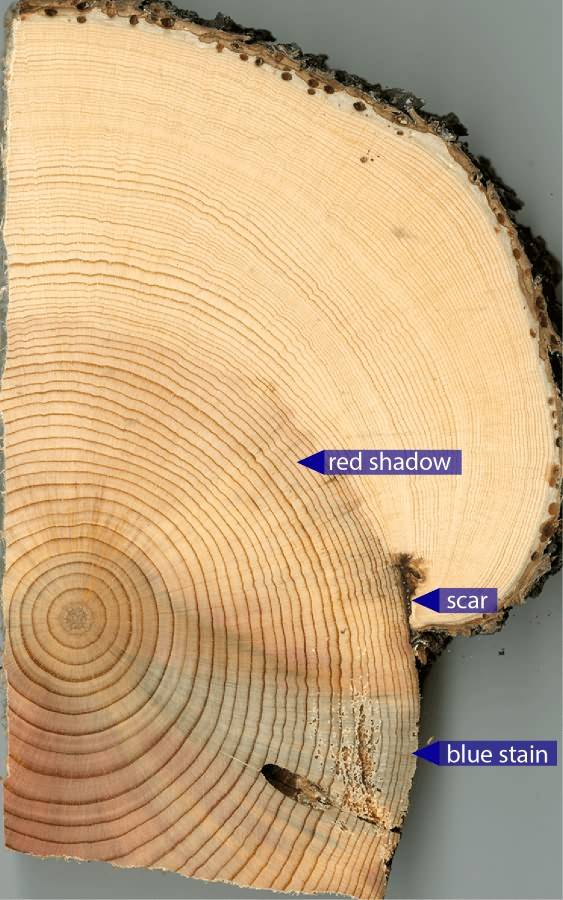
To summarize these visual characteristics systematically, the table below provides a comprehensive reference guide.
Table 1: A Reference Guide to the Visual Characteristics of Guitar Tops
| Feature | Visual description | Primary cause | Effect on tone | Effect on structure | Market perception |
| Runout (“yin-yang effect”) | The two halves of the top look one light and one dark at different viewing angles, and the effect can reverse. | The saw blade was not parallel to the wood’s fiber axis when cutting; after book-matching, the angles mirror each other. | Generally considered negligible. | Slight runout has no effect; severe runout (>15-20 degrees) significantly reduces strength and increases the risk of cracking. | Usually regarded as a cosmetic flaw that lowers the wood’s grade. |
| Silking (medullary rays) | Fine, horizontal lines shimmering like silk between the vertical grain lines. | A perfect quartersawn cut exposes the medullary ray tissue on the wood’s surface. | Usually associated with high-quality wood with high stiffness and sound velocity; considered a positive indicator of good tone. | The hallmark of a perfect quartersawn cut, representing optimal strength and stability. | A clear hallmark of a top-grade soundboard, highly sought after, significantly increasing the wood’s value. |
| Mineral streaks | Darker streaks that do not strictly follow the annual ring lines. | Minerals absorbed from the soil and deposited while the tree was growing. | A purely cosmetic issue with no recognized effect on tone. | No effect. | Accepted or even appreciated in certain vintage styles. |
| Bearclaw | An irregular, asymmetric, wavy shimmering figure crossing the grain. | Localized curling or abnormal growth of the wood fibers. | Debated. Some argue that because it is associated with harder, older wood, it may produce a brighter tone 28. | No negative effect, and it may even indicate harder wood. | Once a flaw, now a highly sought-after premium feature that usually commands a price premium. |
| Wide/uneven grain | Widely spaced annual ring lines, or inconsistent spacing between the two halves. | Rapid tree growth or an uneven growing environment. | Debated. Traditional opinion favors tight, even grain (slow growth), but what ultimately matters is the wood’s actual density and stiffness rather than its visual appearance alone. | No effect. | Graded lower, because the market favors tight, even grain. |
| Pin knots | Tiny, dark, round knots in the wood. | Remnants of the tree’s small early branches. | Disrupt vibration transfer. | A structural weak point; should be avoided. | A clear defect that causes the wood to be discarded or used in low-end products. |
Part 4: Practical Consequences: Impact on Tone, Stability, and Value
Having identified the various visual characteristics, the next step is to assess their practical consequences. Drawing on luthiers’ experience, discussions in player communities, and manufacturers’ data, this section offers a balanced evaluation of how these visual features affect a guitar’s function (tone and stability) and its value as an asset.
4.1 Structural Integrity: When Aesthetics Compromise Strength
For an acoustic guitar that must withstand more than 80 kilograms of string tension, the structural integrity of the top is a non-negotiable baseline.
- Severe runout: This is the primary structural hazard. Wood splits most easily along its fibers. If the grain “runs out” of the top’s surface at a large angle (for example, more than 20-30 degrees), it creates a natural shear-stress plane. In that case the top’s strength is severely compromised, and under sustained tension or an impact it can easily crack along the runout line. While slight runout is structurally safe, severe runout is a structural defect that must be avoided.
- Knots and swirls: These features break the continuity of the wood fibers and form stress-concentration points. They are internal weak spots in the wood that seriously impair the top’s overall strength and vibrational performance, and they should therefore be strictly excluded when selecting top wood.
4.2 The Tone Debate: Separating Wood Appearance from Acoustic Performance
The effect of visual characteristics on tone is one of the most subjective and hotly contested topics in the guitar world.
- The consensus on runout and mineral streaks: The vast majority of luthiers and experienced players agree that slight runout (the yin-yang effect) and mineral streaks have little to no effect on a guitar’s tone. A guitar’s final tone is determined mainly by macro-level factors such as its overall design, bracing, build quality, and the wood’s density and stiffness — not by these localized visual features.
- The case for bearclaw: As noted above, some luthiers argue that the growing conditions that produce bearclaw (old age, slow growth) also produce harder wood, and harder wood typically yields a brighter, more dynamic tone.
- The agnostic view: Many luthiers and players hold a more pragmatic position: since no two pieces of wood in the world are identical, it is virtually impossible to test in isolation how any single visual characteristic (such as grain figure) affects tone. Claims that directly link a particular grain pattern to a particular tone are often dismissed as unfounded mysticism or mere personal preference.
4.3 The Economics of Aesthetics: How Looks Affect Price and Desirability
Although the effect of visual characteristics on tone is hotly contested, their effect on a guitar’s market value is concrete and unambiguous.
- The “new guitar” standard: When buying a brand-new guitar — especially an expensive one from an established brand — consumers expect a flawless appearance. Any visible cosmetic flaw, including a pronounced “yin-yang effect” or mineral streaks, can become grounds for a return or a discount.
- The value hierarchy: In commercial production, top wood is usually graded on appearance. Tops with even color, straight tight grain, and prominent silking are typically graded highest (master grade, for example) and command the highest prices. Tops with slight runout, conspicuous mineral streaks, or uneven grain are graded lower (B grade, for example) and used on less expensive models.
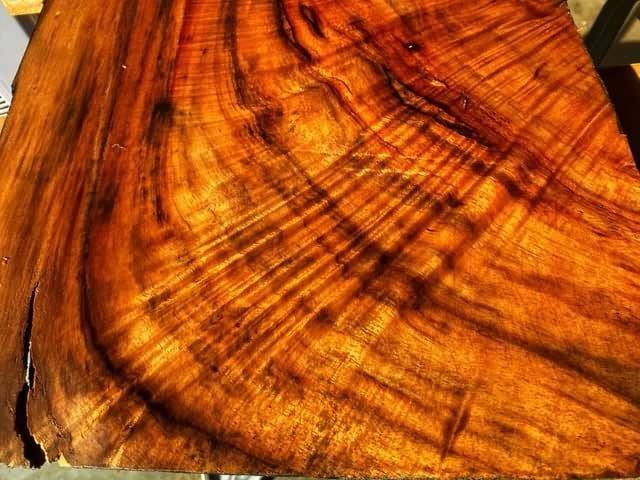
- The “character” premium: Contradicting the above, certain features once considered flaws — extensive bearclaw, or the ornate curl of Hawaiian koa — can now command a significant premium, making them worth even more than a visually “clean” ordinary top.
- The vintage market: In the vintage guitar market, “originality” is the supreme criterion of value. A cosmetic flaw in the form of original scratches or finish checking is worth far more than a guitar that has been perfectly “refinished”. A botched refinishing job can wipe out 50% or even 80% of a vintage guitar’s value.
This analysis brings a key conclusion to the surface: in the guitar market there is a huge disconnect between the perceived effect of visual characteristics on tone and their actual effect on market value. While the tonal impact of these features is subjective and hotly disputed, their impact on price is objective and quantifiable. The market prices wood according to a set of criteria based almost entirely on visuals, yet the acoustic superiority these criteria are supposed to represent can rarely be objectively demonstrated. What this means is that consumers are, to a large extent, paying for an aesthetic standard whose connection to the instrument’s core function — making sound — is tenuous. The market’s pricing logic tends to reward predictability, consistency, and marketable “rarity”, rather than scientifically verified acoustic performance tied directly to these particular visual features.
Part 5: The Pursuit of Perfection: Manufacturer Standards and Modern Solutions
To meet the market’s expectation of visual perfection while still pursuing the ideal tone, the modern guitar industry has developed a sophisticated set of standards and techniques. This section examines the wood-selection philosophies of industry giants such as Martin and Taylor, and explores the modern technological interventions used to improve a top’s appearance and performance.
5.1 Grading the Grain: Comparing Martin’s and Taylor’s Philosophies
- Martin (C.F. Martin & Co.): As the industry’s long-standing benchmark, Martin employs a formal, clearly tiered visual grading system for spruce tops. The system runs from Grade 8 at the top (reserved for the premium 45-series guitars) down to Grades 3-4 for lower-tier series. Its core criteria include color uniformity, the tightness and consistency of the grain, and the presence or absence of runout or other visual flaws. This represents a traditional quality-control philosophy oriented toward visual purity.
- Taylor (Taylor Guitars): As an innovator in modern guitar manufacturing, Taylor also values the visual quality of wood, but its public-facing marketing strategy focuses more on a holistic “Tone Profile” concept. This concept describes the character of the wood across multiple dimensions, including frequency response, overtone complexity, reflectivity (player-reflective), and touch sensitivity. Taylor offers a wide range of top woods beyond spruce and cedar and actively promotes the unique visual and tonal personality of each. This represents a more modern, performance-oriented way of communicating with players.
5.2 The Art of Aging: Torrefaction for Tonal and Visual Consistency
- The process: Torrefaction (heat treatment) is a process in which wood is heated in a controlled, low-oxygen environment to accelerate its natural aging. High heat “bakes out” volatile organic compounds such as oils, sugars, and resins, crystallizing the wood’s cell structure and ultimately making new wood lighter, harder, and more stable.
- Visual impact: An important byproduct of torrefaction is that it gives the top a deeper, caramel-like “baked” appearance, realistically mimicking the natural darkening that antique guitars acquire over decades. This process helps unify the top’s overall hue, making the “yin-yang effect” caused by slight color unevenness or runout less noticeable.
- Tonal impact: The primary goal of the technology is to improve tone — giving a new guitar the open, resonant, dynamically rich acoustic properties of a vintage instrument.
The rise of torrefaction marks a paradigm shift in guitar making. Manufacturers are no longer merely selecting wood with desirable aged characteristics; they are actively creating those characteristics. This challenges traditional notions of “authenticity” and “value”. A torrefied guitar delivers the tone and look of a vintage instrument without decades of waiting. It is an engineered product that blurs the line between natural aging and artificial acceleration — and it has also become a powerful tool for achieving visual consistency, effectively masking many of the natural color variations explored in this article.


5.3 The Finishing Touch: Staining, Tinting, and Dyeing in the Modern Workshop
Finish work is the final stage for managing — or highlighting — visual characteristics.
- Concealing differences: Luthiers and manufacturers can use tinted nitrocellulose lacquer, toners, or gradient finishes such as sunburst to conceal uneven color or distracting grain. A dark sunburst finish, for example, can completely hide runout at the edges of the top.
- Highlighting the figure: Conversely, certain techniques can be used to enhance the wood’s natural beauty. For example, contrast grain fillers or specific dyes can make figures like maple’s flame or quilt “pop”, turning the wood’s natural pattern into a striking visual focal point.
Part 6: Conclusion: Advice for the Discerning Eye
The ultimate purpose of this article is to provide guitar enthusiasts, collectors, and prospective buyers who seek a deeper understanding with a practical, sensible framework for evaluation. Drawing together all of the analysis, this section offers nuanced advice that goes beyond the simple “good versus bad” dichotomy.
6.1 Synthesizing the Findings: Balancing Visual Perfection and Tonal Character
The core conclusions of this article can be summarized as follows:
- The “yin-yang effect” is an optical illusion, produced jointly by runout and book-matching — not a color defect in the wood itself.
- Medullary rays are the hallmark of superior quartersawn work and a positive indicator of quality, not a flaw.
- Bearclaw has been successfully rebranded from defect to premium feature, driven both by plausible acoustic correlations and by market and resource factors.
- Structural defects (such as severe runout and knots) are unacceptable and must be avoided.
- Most other visual characteristics (such as slight runout and mineral streaks) are essentially cosmetic: their effect on tone is negligible, but their effect on market value is highly significant.
6.2 A Buyer’s Checklist: What to Watch For, What to Ignore, and What to Treasure
Based on the conclusions above, here is an evaluation checklist for guitar enthusiasts:
- Put structure first: Carefully inspect the top for severe runout (watch whether the grain “runs out” of the edges of the top at a steep angle, especially near the bridge), and for any visible knots or cracks. These are the only visual features that must be avoided at all costs.
- Look for signs of quality: Treat prominent “medullary rays” as a positive signal that the top is well cut and structurally sound.
- Evaluate “flaws” case by case:
- Slight runout (“yin-yang effect”): If the light-reversing effect doesn’t bother you aesthetically, you can safely ignore it. On a guitar with outstanding tone, it may even become an opportunity for a premium.
- Mineral streaks: Think of them as this piece of wood’s one-of-a-kind “birthmark”. If you find them distracting, feel free to pass; if you think they add character, embrace them. They have nothing to do with how the guitar performs.
- Bearclaw: Unless you genuinely love the way it looks, don’t pay an inflated premium for it. Don’t take it for granted that it guarantees better tone, but do recognize that many in today’s market regard it as a valuable feature.
- Trust your ears, not just your eyes: This is the most important advice of all. A guitar with slight visual “flaws” (such as runout or mineral streaks) may sound far better than one that looks “perfect”. The ultimate test of an instrument will always be how it plays and how it sounds — not its score on a visual grading sheet. The savvy player should use visual knowledge to steer clear of structural problems and understand market value, but the final purchasing decision should be made by the ears.
This article is original content. Republishing requires the author’s prior permission, must prominently credit the author and the original source, and may not alter the content.


-10--scaled-e1787801713475-110x80.jpg)