Contents
Introduction
A guitar's smell combines wood volatiles, adhesives, finishes, its case and storage environment. Descriptions are subjective and affected by concentration and olfactory adaptation. Scent intensity does not establish tone, age, wood grade or safety, and smell alone cannot identify a species.
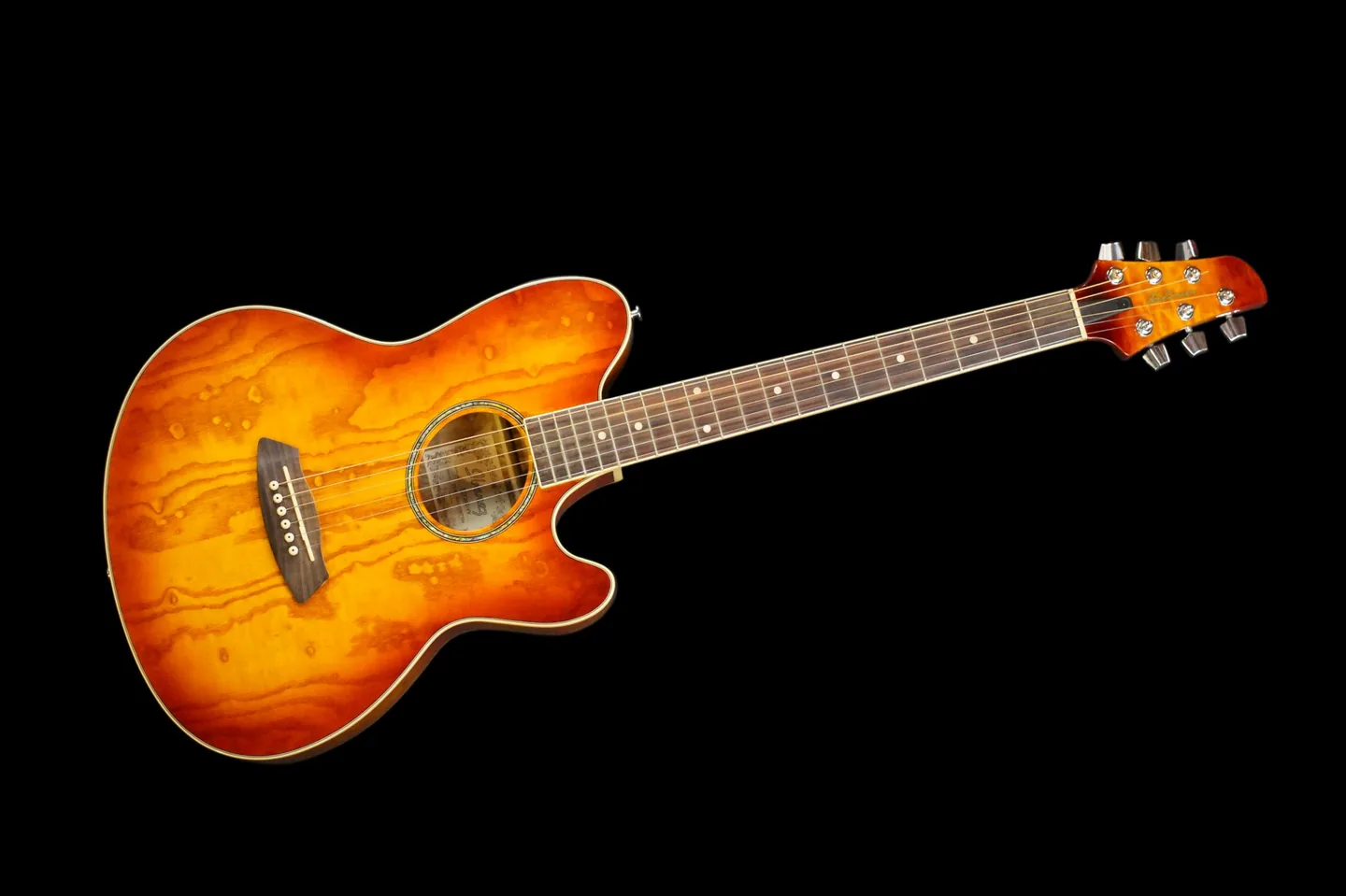
Image source:Lilla Frerichs · CC0
Part 1: A Chemical Symphony—The Molecular Origins of Wood Aroma
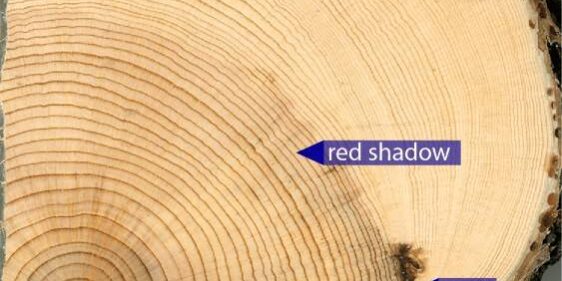
Wood emissions can include terpenes, aldehydes and other organics; identifying a particular mixture requires sampling and analysis. Softwood and hardwood are botanical categories, not universal hardness or aroma grades. Resin-canal anatomy differs by species; not all conifers have pervasive resin canals. Lignin products formed during heating or burning do not automatically describe a guitar's room-temperature scent. Syringol is 2,6-dimethoxyphenol, a different substance from eugenol.
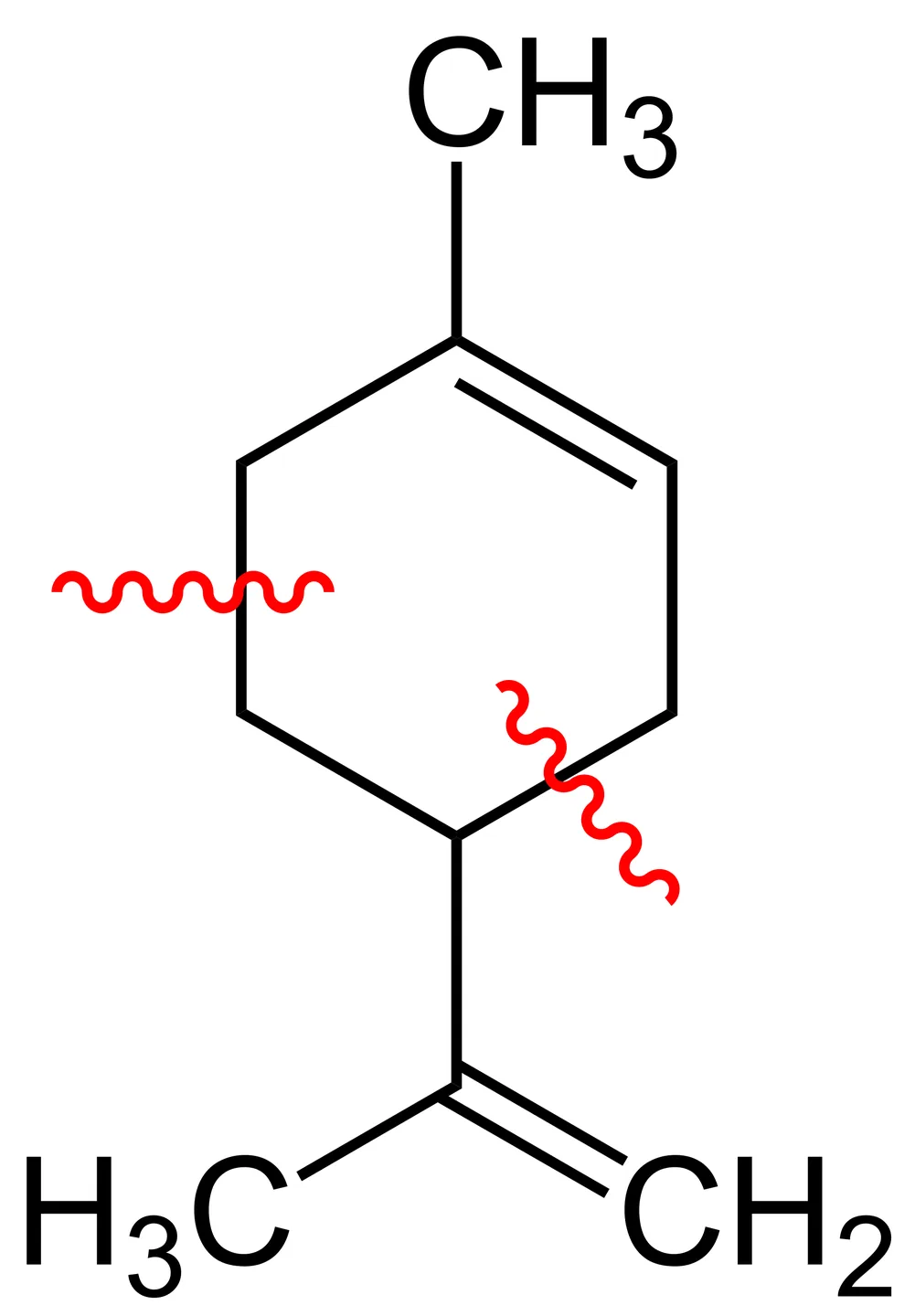
Image source:Jü · Public domain
Part 2: The Olfactory Palette—Aroma Profiles of Key Guitar Tonewoods
The name “cedar” refers to different plants. Western redcedar, Thuja plicata, is in Cupressaceae, not the true-cedar genus Cedrus. Spanish cedar, Cedrela odorata, is a hardwood in Meliaceae. Shared common names do not establish relatedness or identical chemistry. Rosewood, mahogany, spruce, maple and koa scents vary with individual material, drying and processing; there is no fixed ranking for all finished guitars. Maple syrup is processed sap, so its aroma does not prove a syrup scent in maple timber. Photos show appearance, not a measured VOC profile.
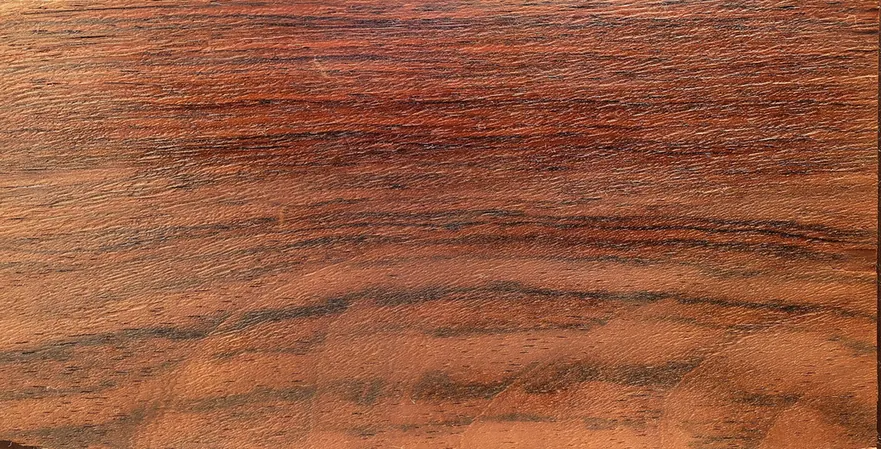
Image source:Philipp Zinger · CC BY-SA 3.0
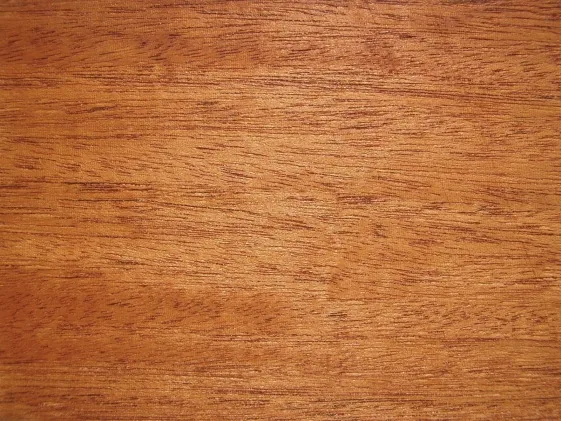
Image source:Philipp Zinger · CC BY-SA 3.0
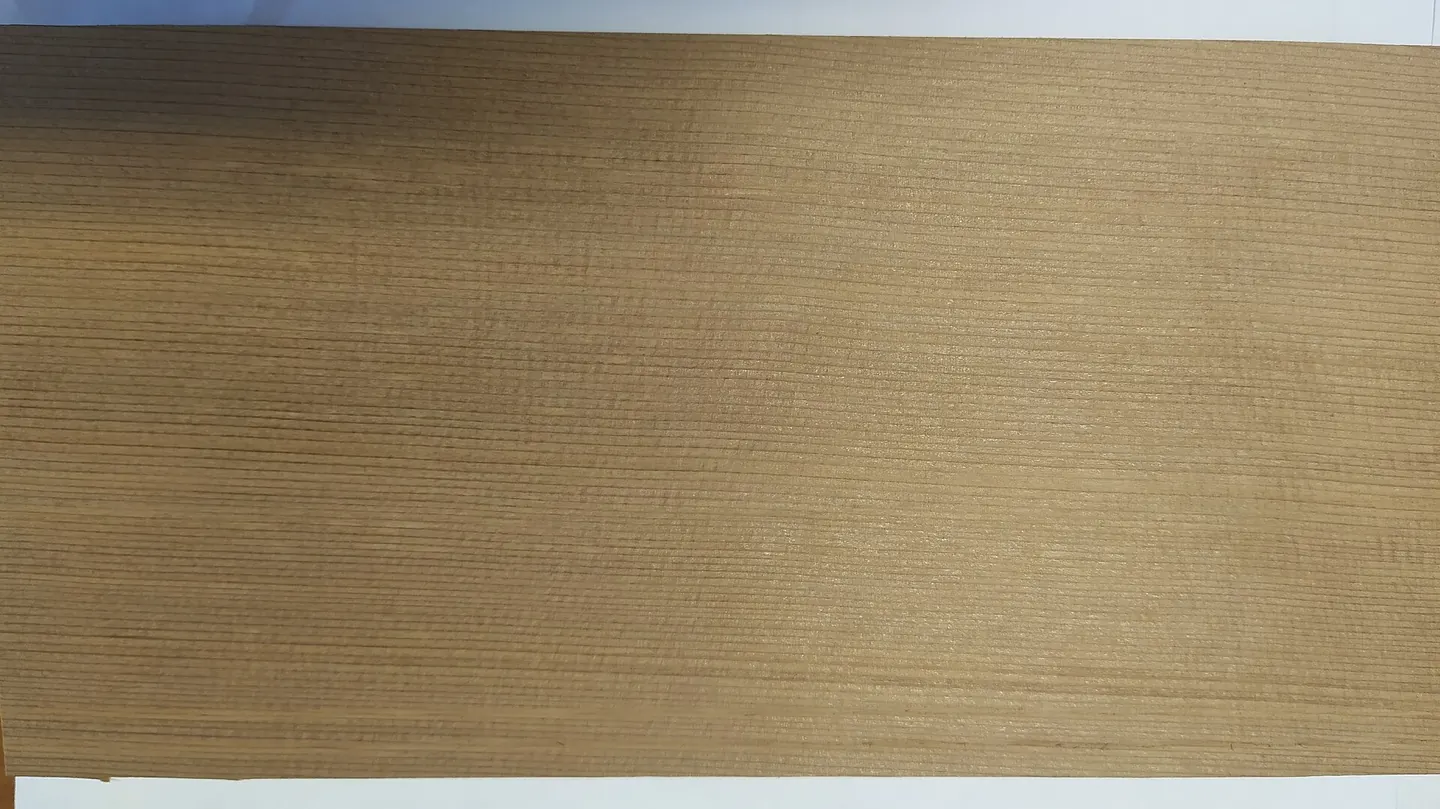
Image source:G-Lignum · CC0
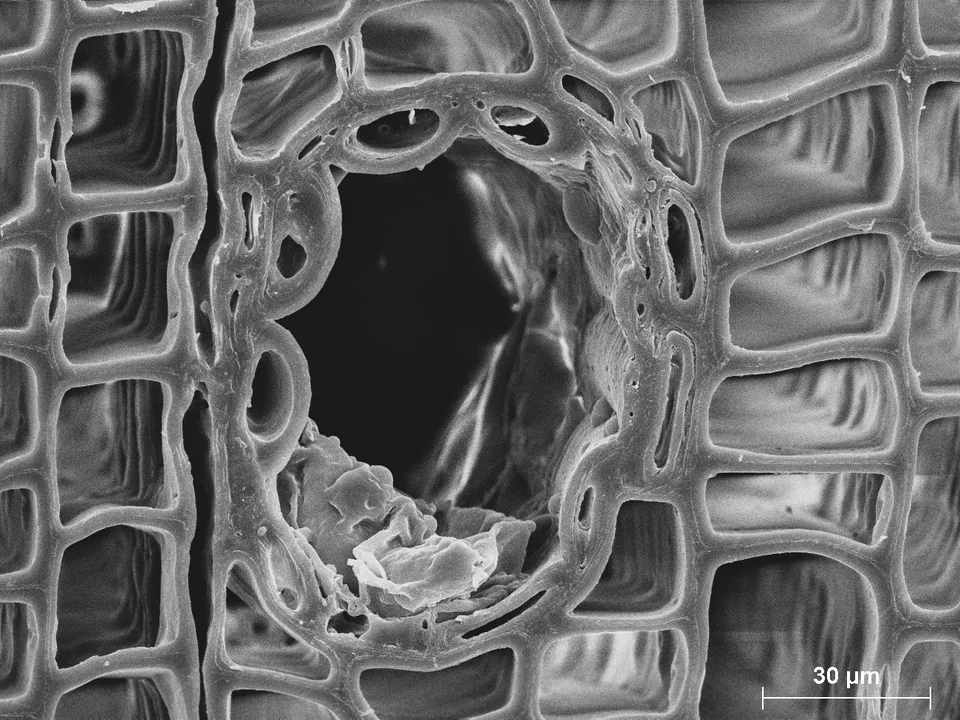
Image source:Dr. Michael Rosenthal, Technische Universität Dresden · CC BY-SA 3.0
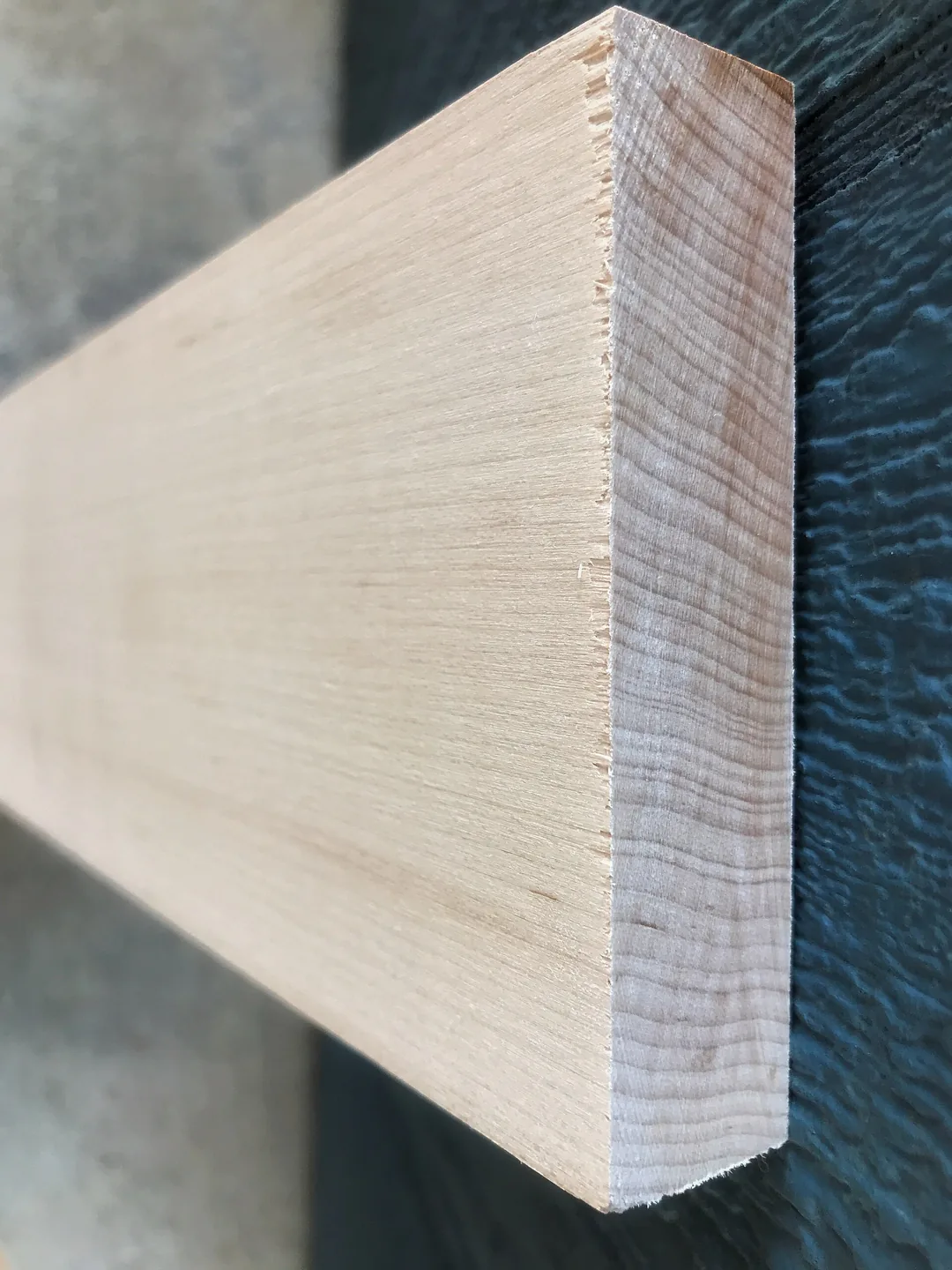
Image source:Stephen Ondich · CC BY-SA 3.0
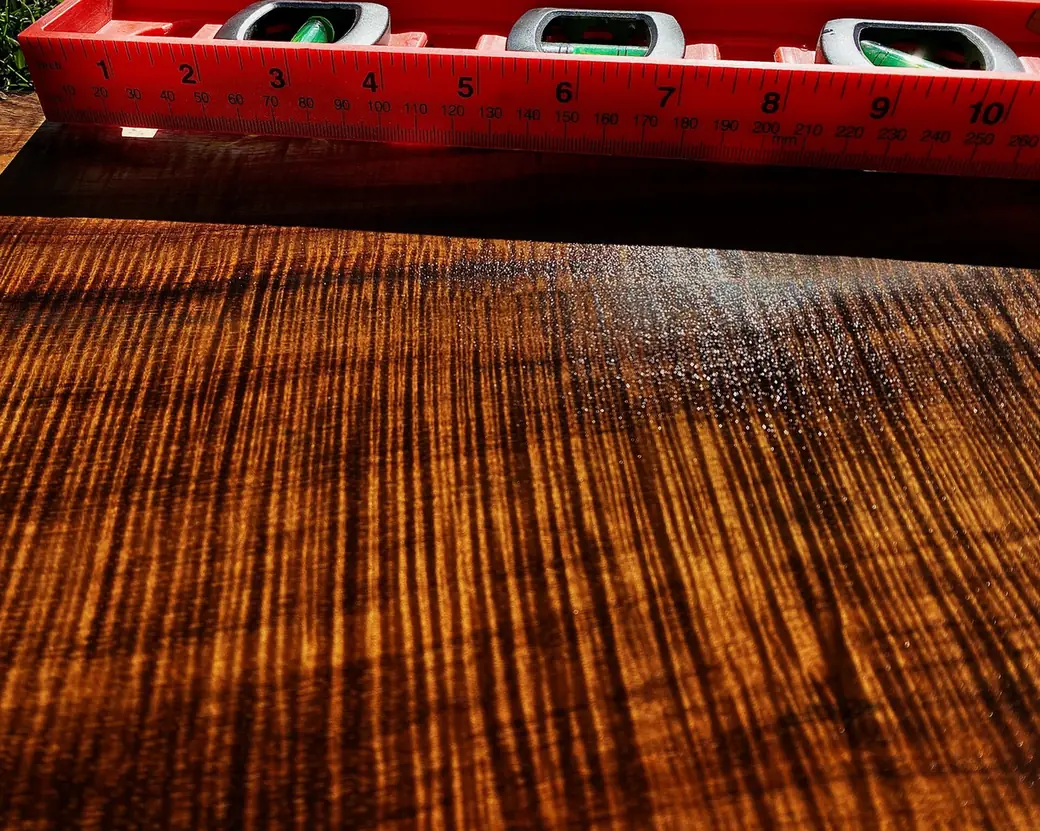
Image source:Hardwood lumber · CC BY-SA 4.0
Part 3: The Flowing Scent—How Time, Environment, and Finishes Modulate Aroma
A new guitar may emit finish solvents or compounds from glue and case materials. This does not prove that nitro always smells of vanilla, polyurethane is necessarily more hazardous or an odourless instrument is safe. Evaporation, oxidation, ventilation and adsorption can change smell over time, but there is no universal ageing-aroma sequence. Humidity can alter emissions and sorption; do not raise humidity to intensify scent. Persistent irritation, musty odour or visible mould calls for checking the case and environment and following maker guidance, not masking with fragrance or testing by deep inhalation.
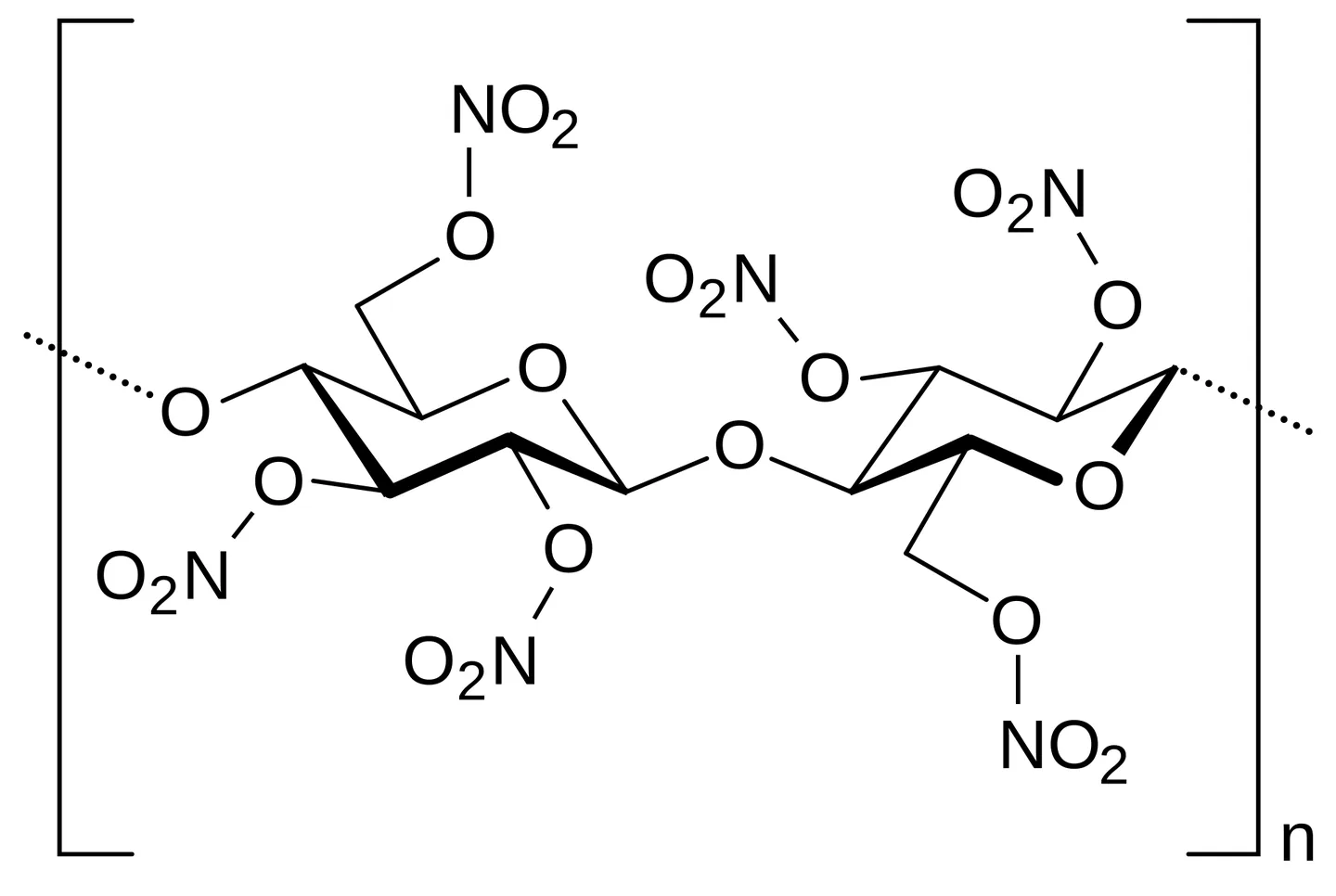
Image source:Dschanz · Public domain
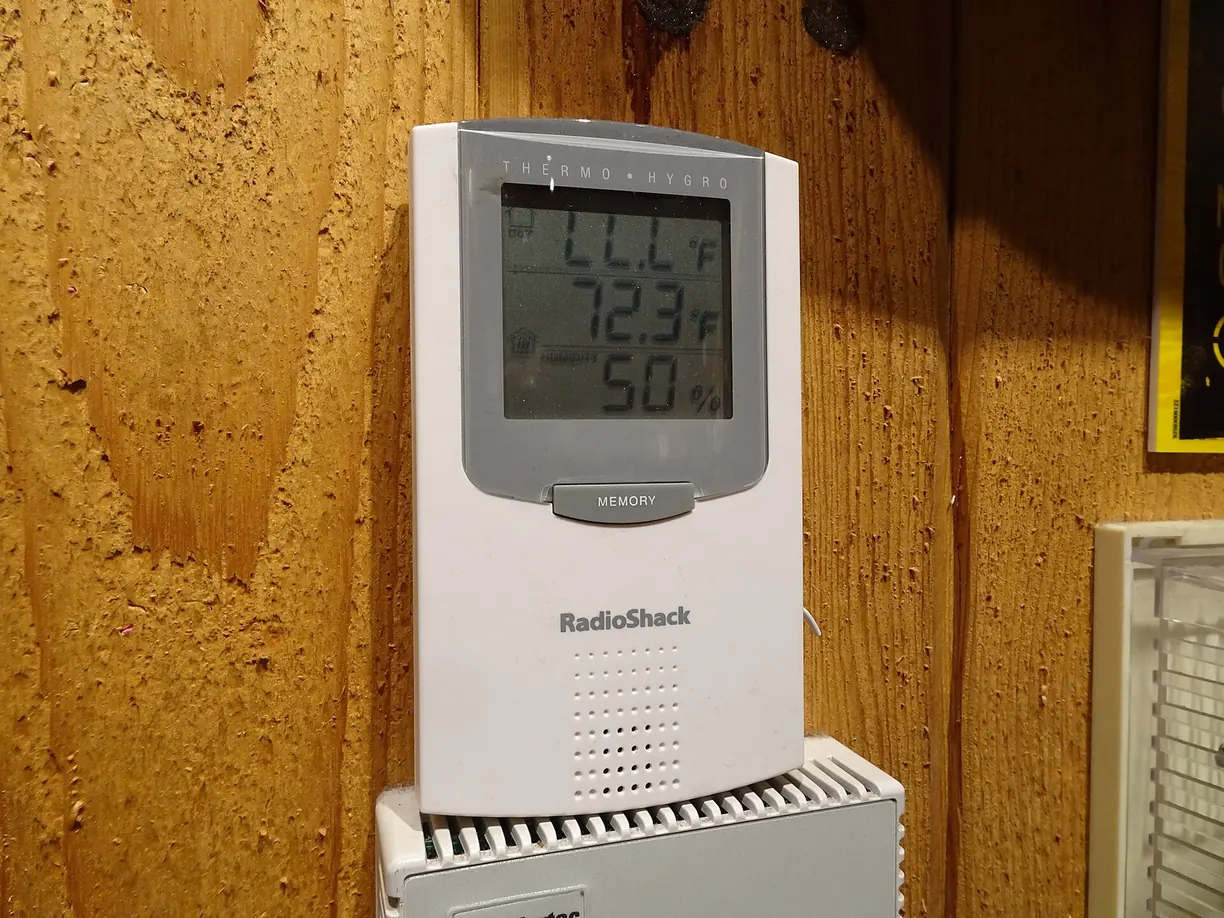
Image source:B137 · CC BY-SA 4.0
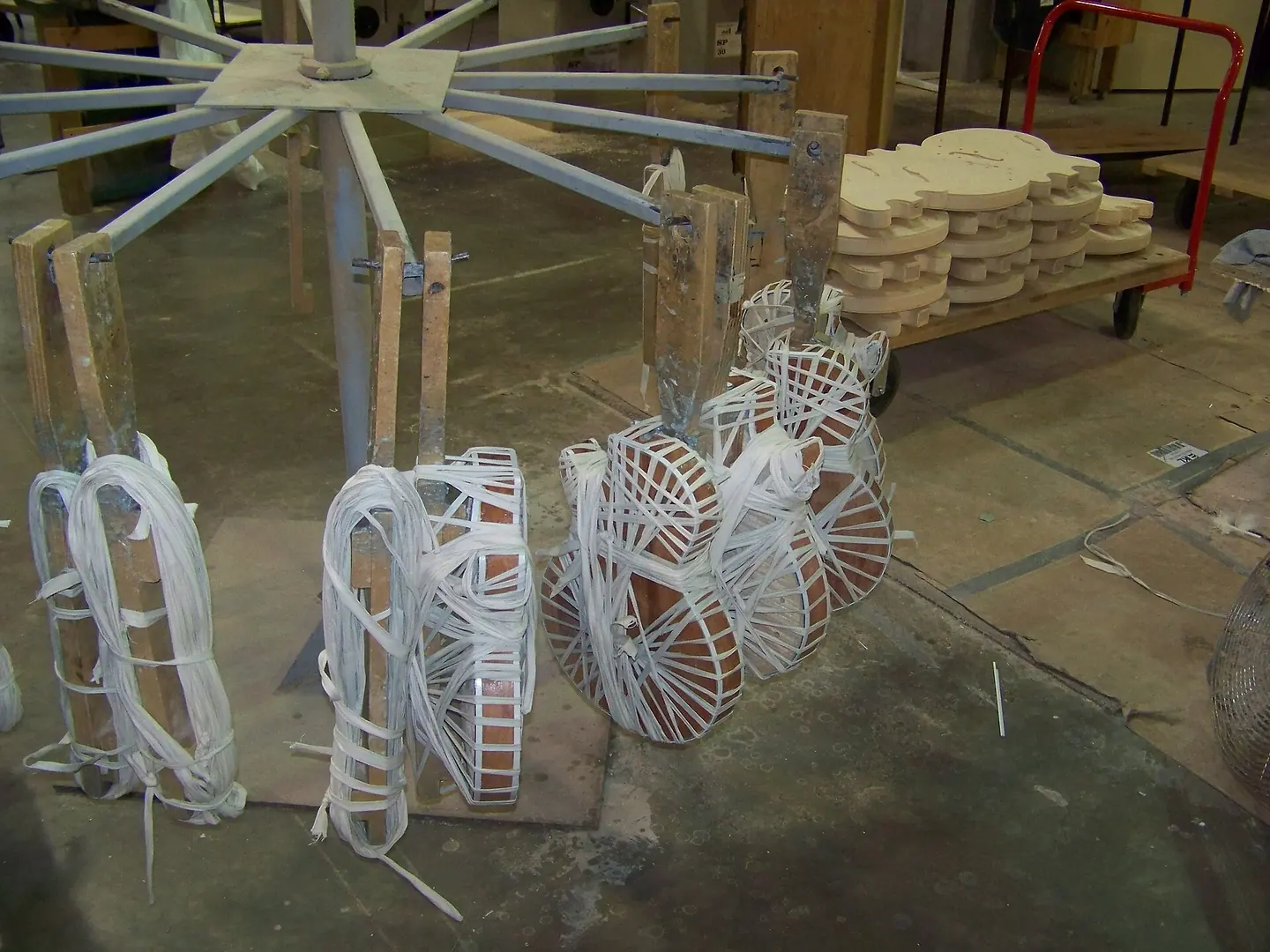
Image source:Justin Brockie · CC BY 2.0
Conclusion: The Scent of the Guitar, Embedded in its Soul
Enjoying scent can be part of the experience, but technical judgments require material identification, production records and appropriate measurements. Correct storage, a clean case and stable conditions matter more than using aroma to assess age or “opening up.” Wood species, smell and sound do not have a one-to-one relationship that predicts an instrument's quality.
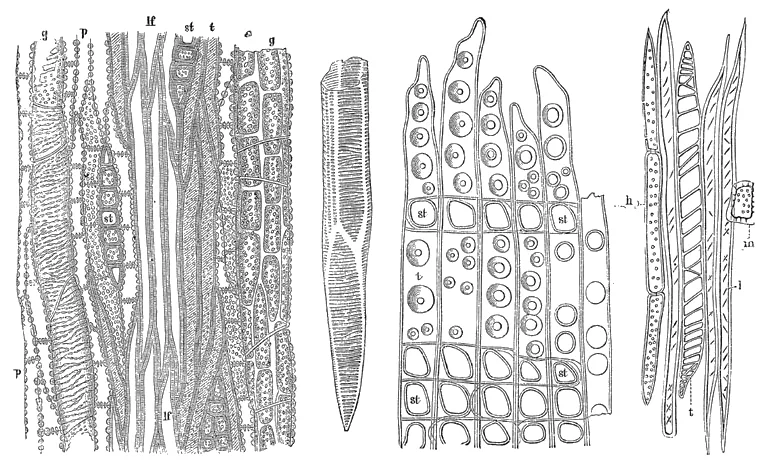
Image source:Meyers Konversationslexikon, c.1885; artist unknown · Public domain
-10--scaled-e1787801713475-110x80.jpg)