Lower string action
Stepless action adjustment makes fretting notes and barre chords easier.
 Adjust
Dynamic Action System
Exceptional feel.
Freedom in every performance.
What DAS brings to your playing
Every player has a different touch, technique and preferred feel. DAS offers continuous, stepless adjustment, so you can find the string action that suits you within the supported range.

Stepless action adjustment makes fretting notes and barre chords easier.
Fine-tune the action for fingerstyle, singing with guitar or your own playing technique.
When temperature or humidity changes affect the feel, quickly readjust the action.
Find an action that suits your touch, technique and preferences within the supported adjustment range.
Humid seasons, heated rooms, travel and long-term use can affect action. Readjust DAS to restore the feel you know.
Fine-tune the neck angle first, preserving the original saddle height and factory setup.
Enjoy more room for your fretting hand where the neck meets the body, especially when playing higher up the fingerboard.
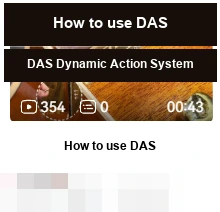
How to use DAS
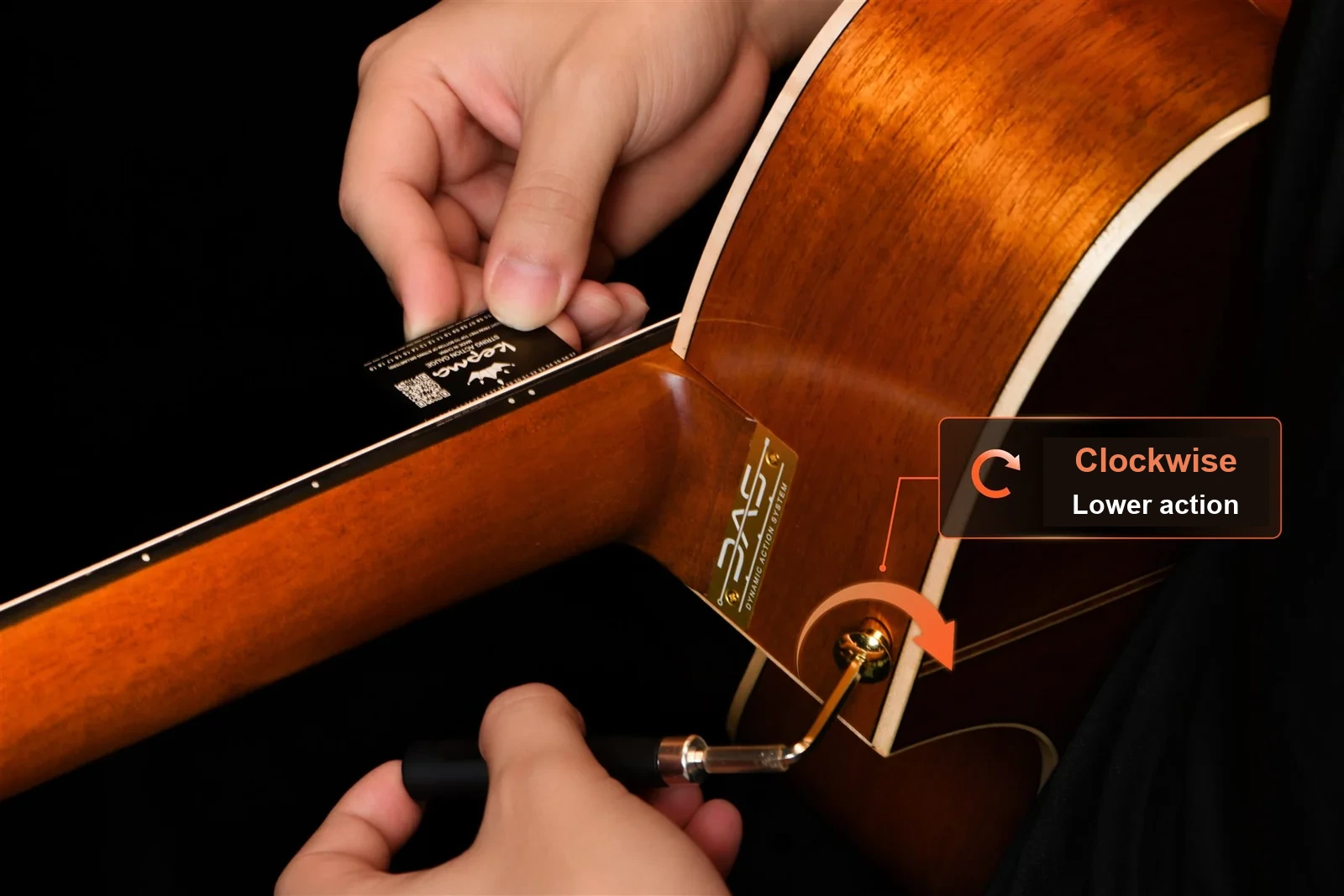
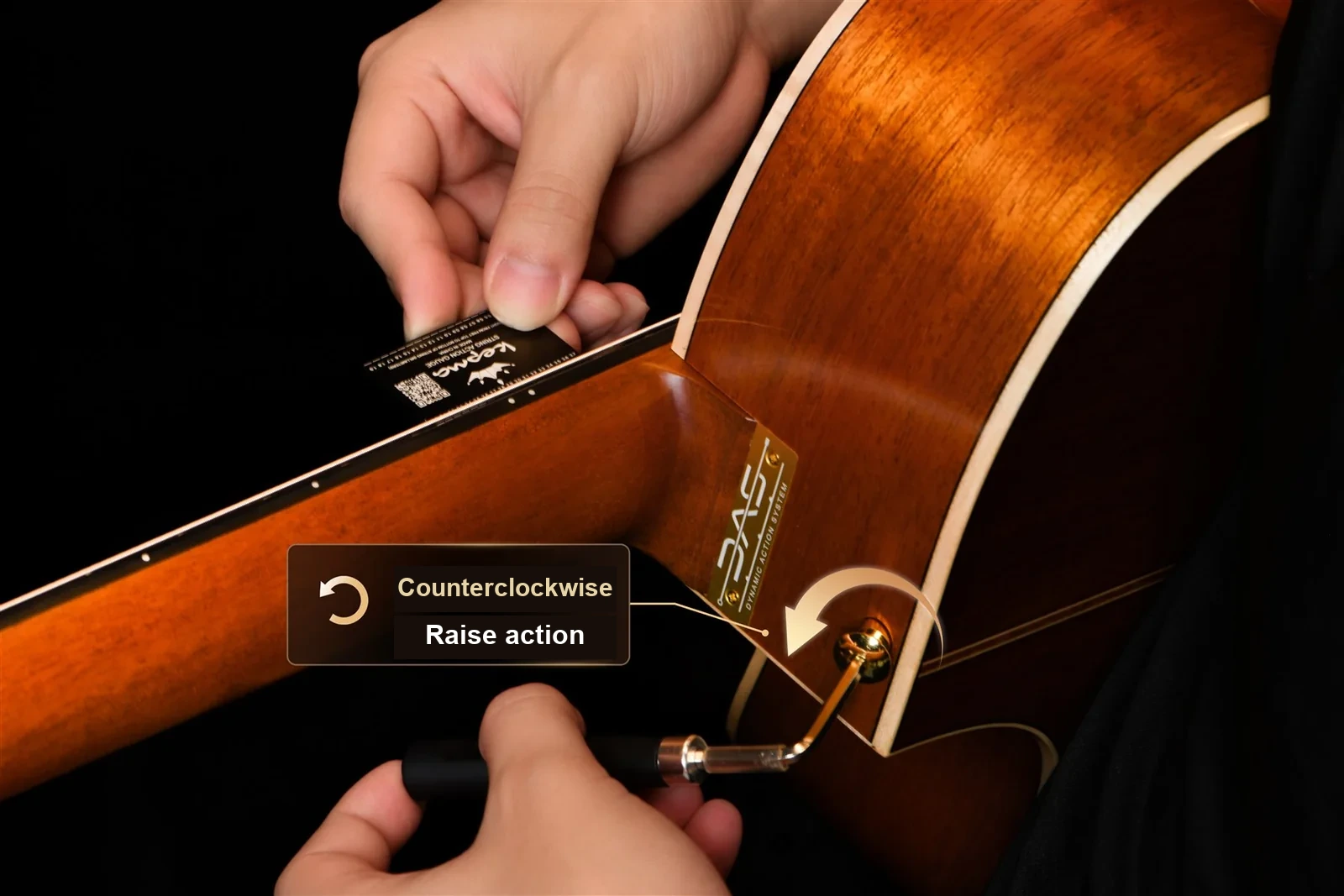
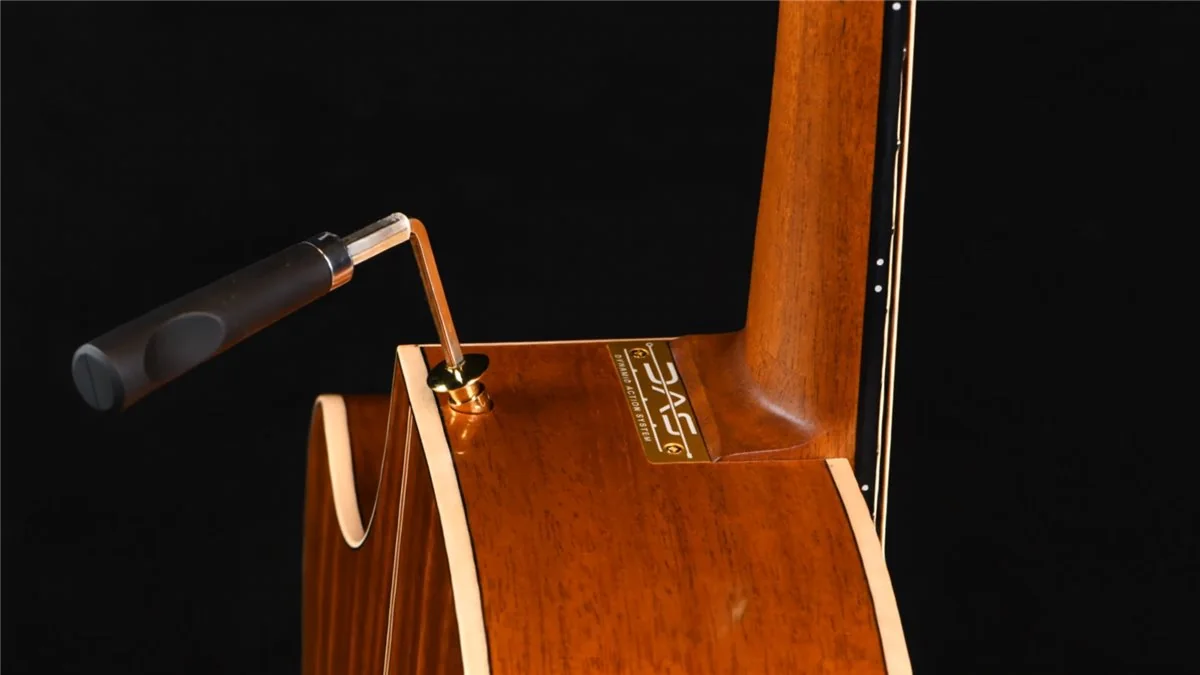
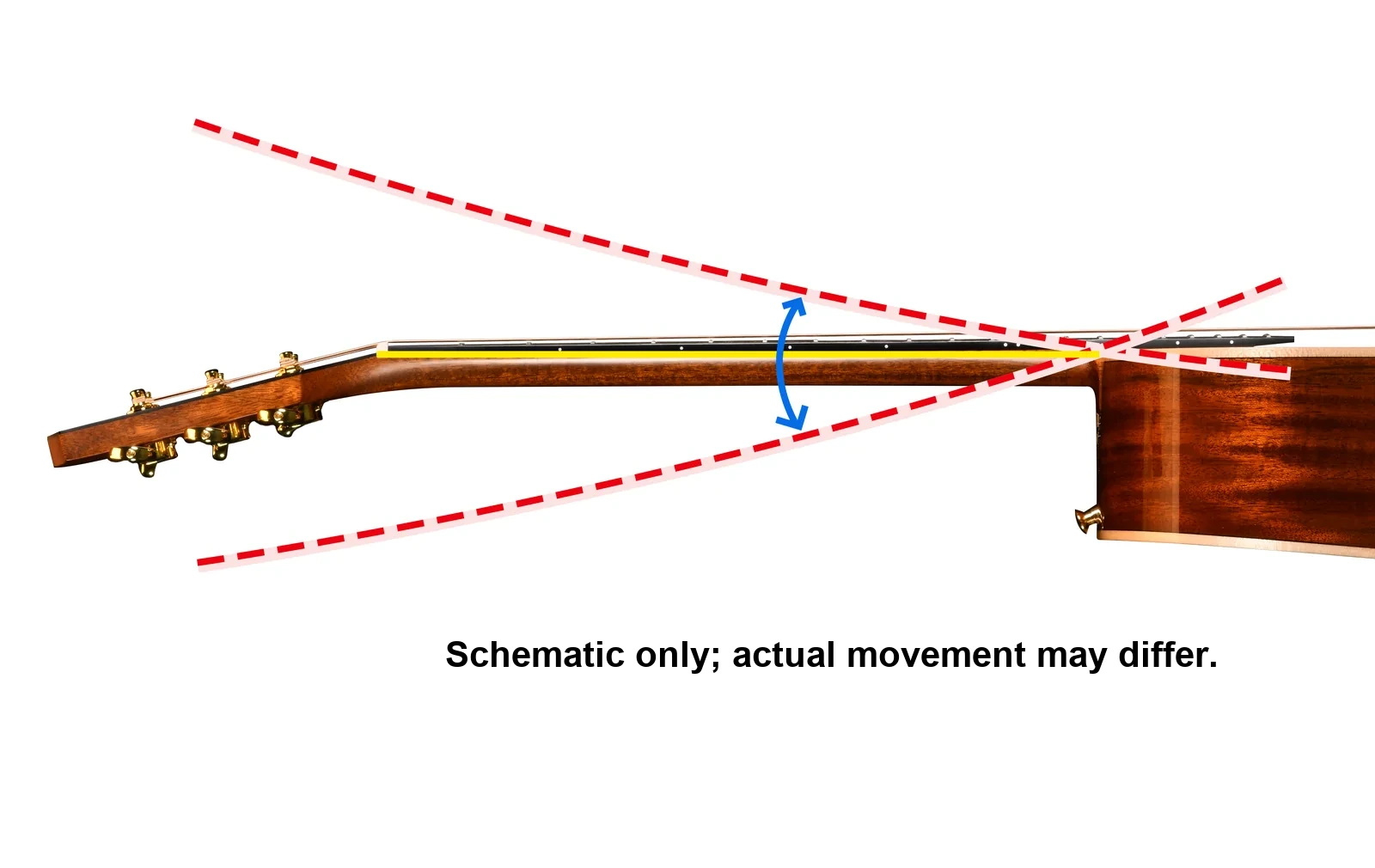
The concealed adjuster at the neck joint lets you quickly change the neck angle and string height to achieve your preferred feel.
Locate the hex socket in the adjustment screw at the neck heel.
Insert the hex key supplied with your guitar.
Turn clockwise to lower the action, or counterclockwise to raise it.
More videos
Explore different playing styles and musical approaches to see how string action changes the playing experience.

An original American fingerstyle passage

A little strumming, a lot of sound

How gentle can an acoustic guitar sound?

A high-energy guitar arrangement of “Tori no Uta”
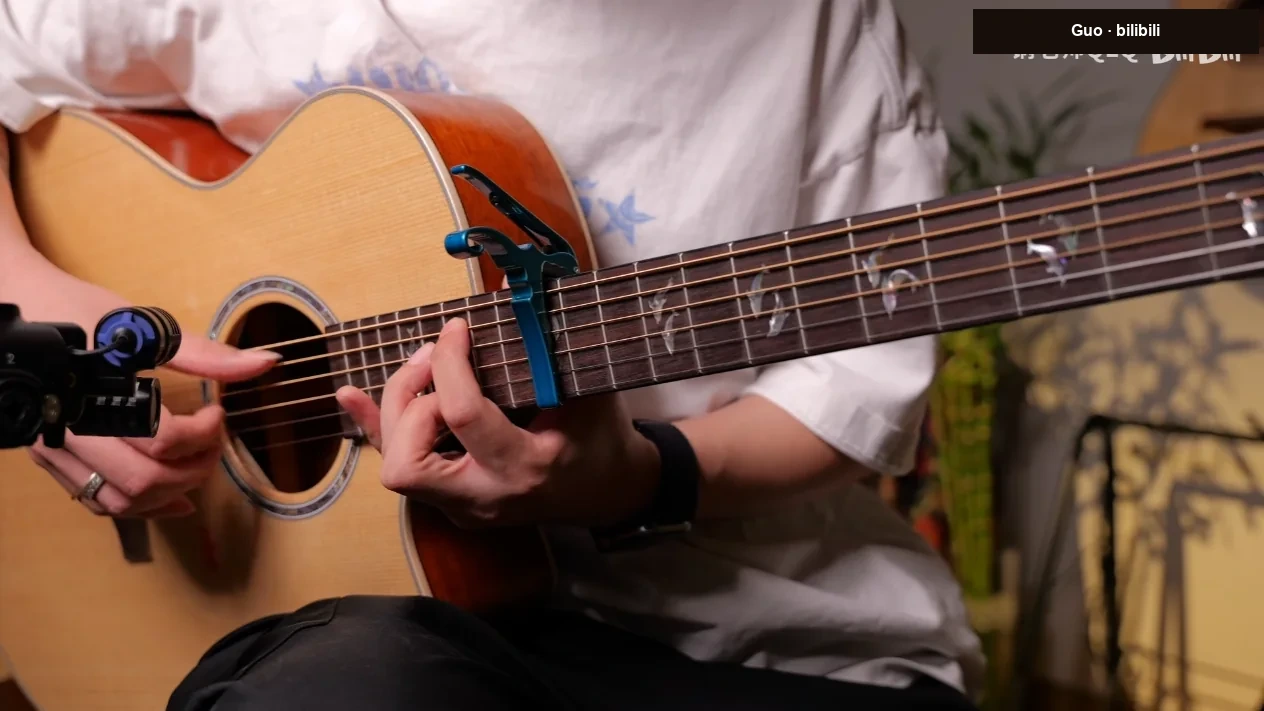
Playing high up the fingerboard with a capo at the 12th fret
Expert reviews
Professional players and guitar media share their experiences and take a closer look at DAS technology.
Videos retain their original language; cover text has been translated.
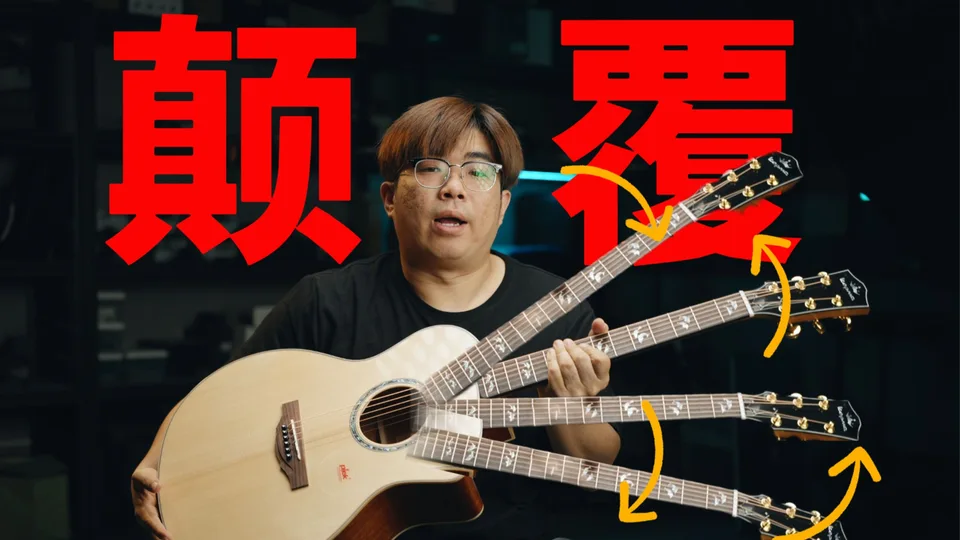
Revolutionary design! A tilting neck and adjustable feel — has Kepma done something unexpected? Kepma A1 DAS guitar review

A 2026 A1GA review exploring the DAS adjustable neck joint and the guitar as a whole.
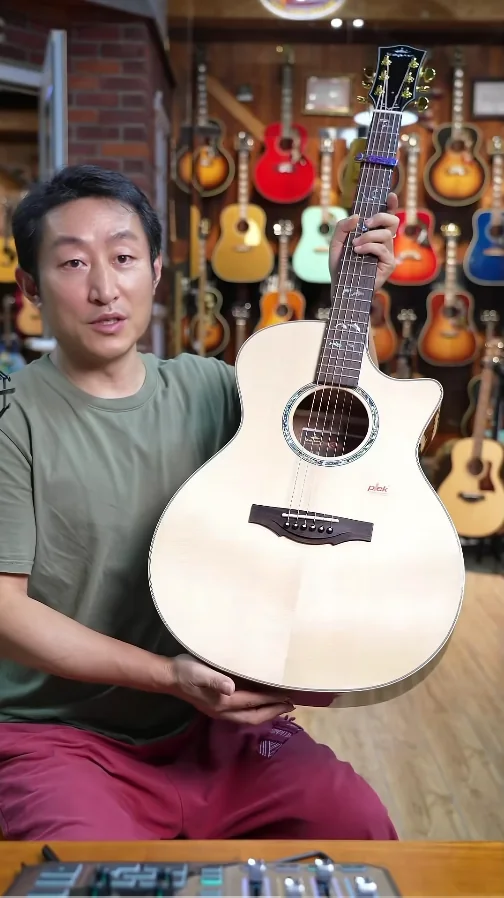
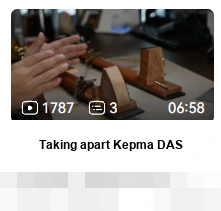
Rethinking the neck reset: a closer look at Kepma's DAS action adjustment system.
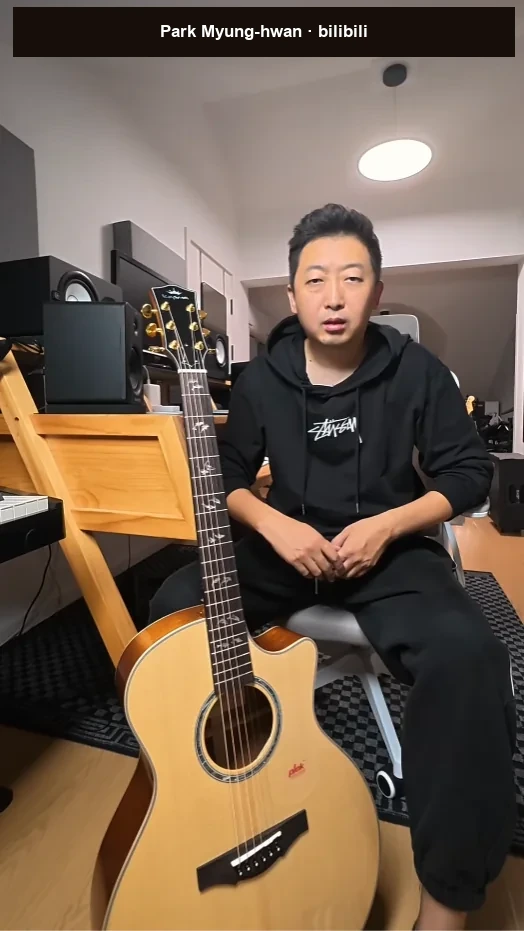
Hands-on experience with the adjustable neck system on the Kepma A1 DAS.
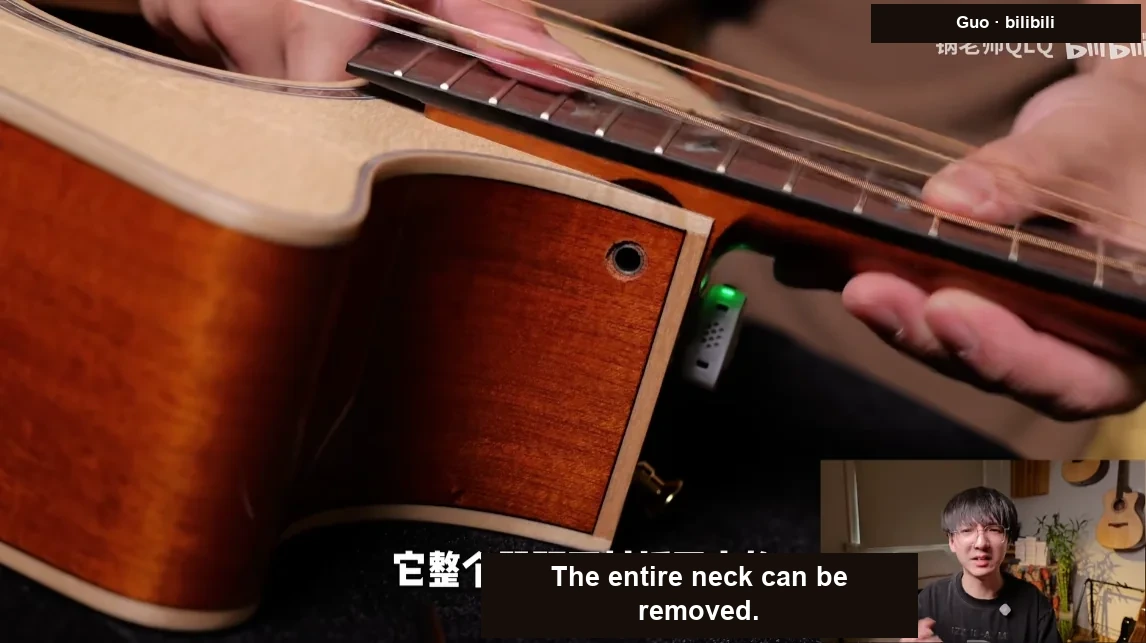
“When I could no longer adjust my guitar…” Teacher Guo tries DAS action adjustment.
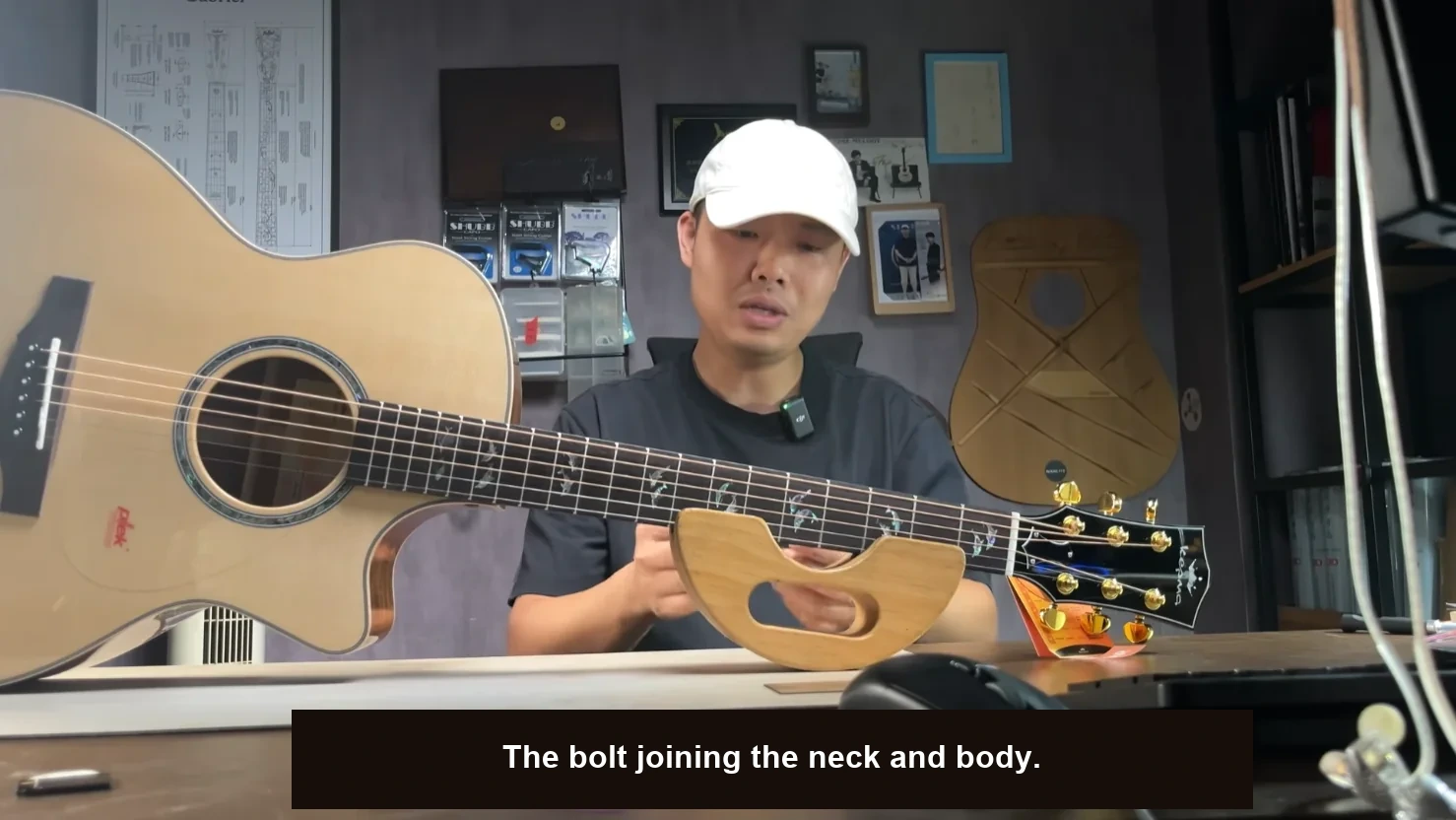
What is DAS, and why develop an adjustable neck? A look at the structure and the needs it addresses.
An in-depth look at the new all-solid Kepma A1 with DAS
A look at the upcoming Kepma A1 DAS

“Slow Dancing in a Burning Room”: trying the new Kepma A1 DAS

What are the advantages of Kepma's DAS system?

More first-hand experiences from players and guitar media are on the way.
Everyday uses

Maintain a comfortable feel for longer practice sessions.

Explore very low action to make demanding techniques, including barre chords, easier.
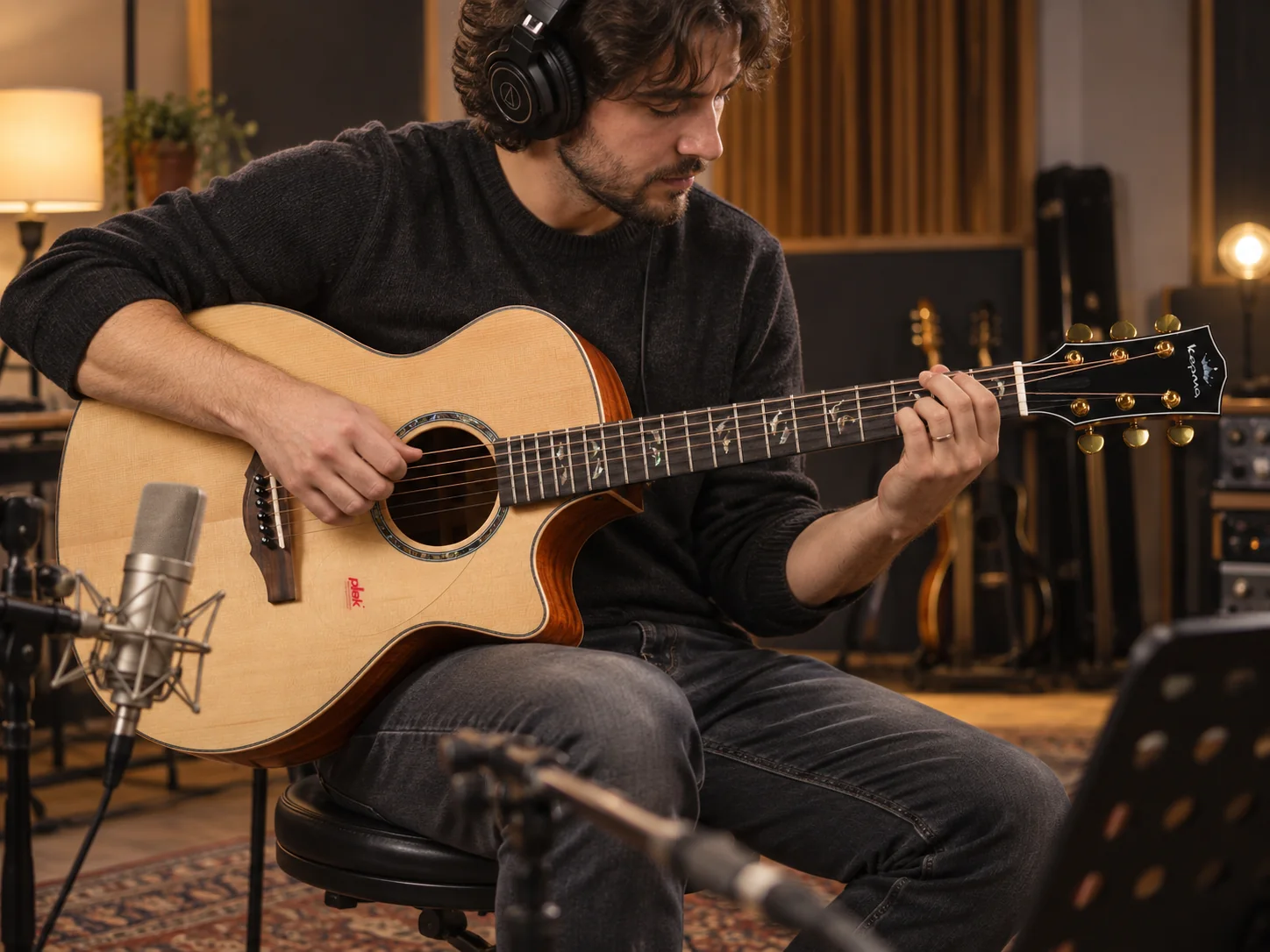
Adapt the action to your playing style for more efficient rehearsal and recording sessions.

Check and fine-tune your setup before going on stage to restore your familiar feel.
Stepless string-height adjustment
DAS adjustment is continuous and stepless. Levels 0–7 are reference ranges for string height and feel, not fixed mechanical settings. The main reference is the 6th-string action at the 12th fret; the 1st-string measurement is supplementary.

LEVEL 0
A demonstration of the technical limits of DAS + PLEK for specialized, demanding pieces. Not a standard default setup.

LEVEL 1
For a light touch, fast position changes, barre chords and technical repertoire.

LEVEL 2
For advanced fingerstyle, intricate accompaniment and a lighter fretting-hand feel.

LEVEL 3
Closer to many professional players' preferences, balancing feel, tone and dynamic range.

LEVEL 4
For most singing, strumming and everyday playing situations.

LEVEL 5
For a stronger picking hand, live accompaniment and vigorous strumming.

LEVEL 6
For flatpicked melodies, bluegrass and playing with a wide dynamic range.

LEVEL 7
For slide and open tunings, rather than conventional fretted-playing comfort.
How the adjustments differ
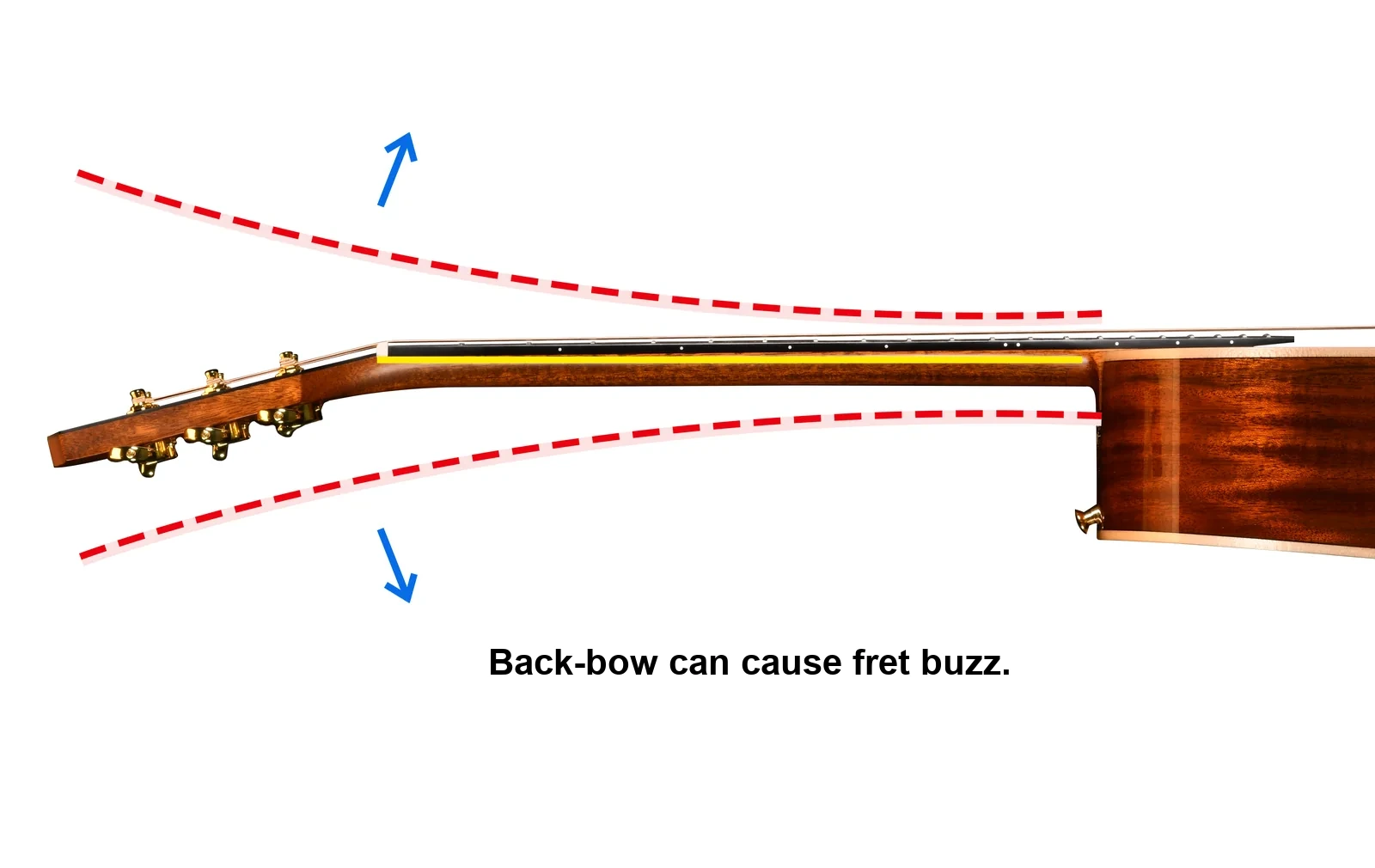
The two systems address different aspects of the setup: the two-way truss rod controls neck relief, while DAS changes the neck-to-body angle and overall string action.
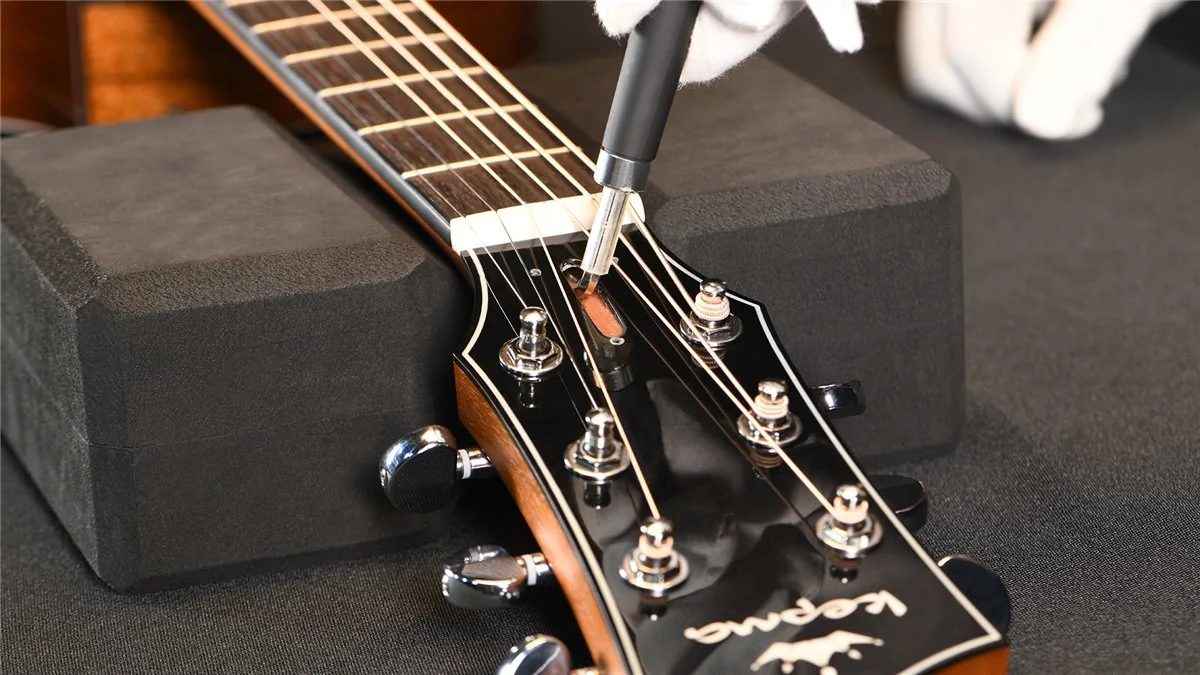
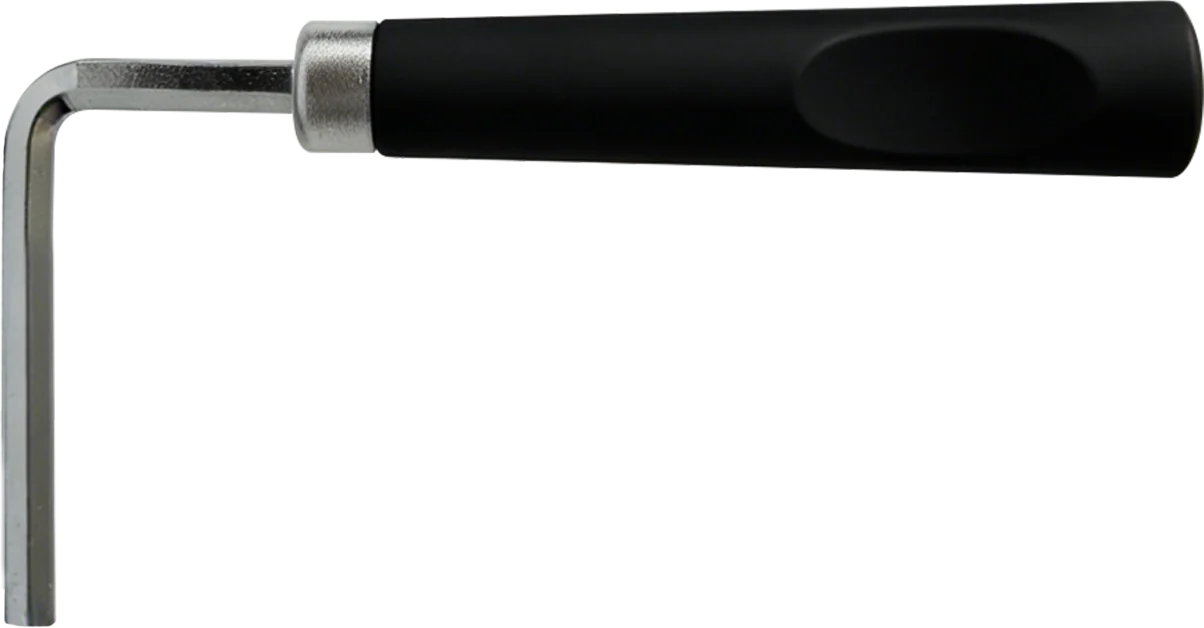
The hex key is included with the guitar
Precision setup meets adjustable action

Every detail counts
Neck relief, fret condition and action are carefully set before the guitar leaves the factory, giving every instrument a precise starting setup.
Readjust the neck angle as seasons, long-term use or your playing needs change to maintain your preferred action.
Questions & Answers
No. Wood responds to its environment and long-term string tension. This is a physical characteristic of acoustic guitars. DAS makes it easier to readjust and restore the setup after those changes.
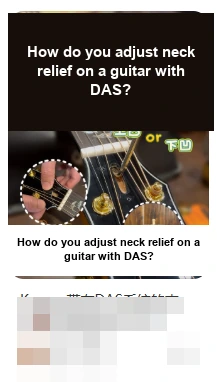
DAS changes the neck-joint angle to adjust action; the two-way truss rod controls neck relief. Keep a slight forward relief: with a string held down at the 14th fret, there should still be a small gap above the 6th fret, with an audible tap when you touch it. Different tunings create different tensions, so neck relief may also need adjustment.
Yes. Watch the official tutorial or adjustment guide before your first adjustment to get familiar with the process.
If the action is too low for your picking strength, fret buzz can interfere with string vibration and make the tone seem different.
Community reviews
From delicate fingerstyle to powerful strumming, every playing style has its own idea of great feel.




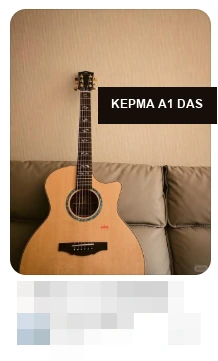
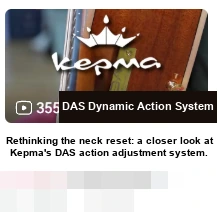
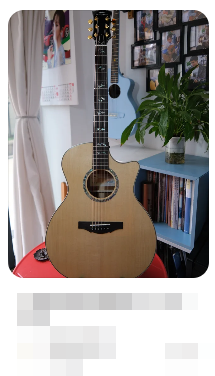
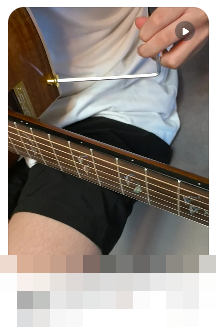
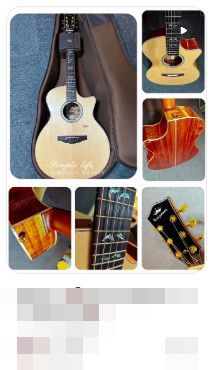
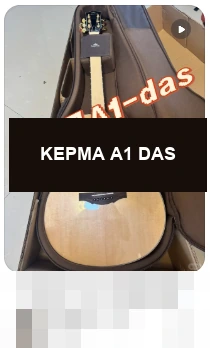
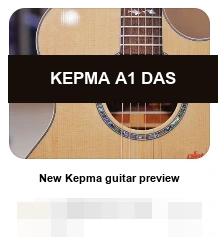


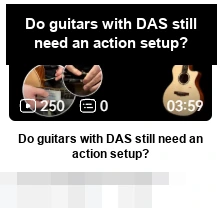


* Screenshots come from public posts; names and avatars are masked, and visible text is translated. The comments on the right are illustrative copy based on common user feedback.

A naturally comfortable feel.
Exceptional feel.