Contents
Section 1: Introduction
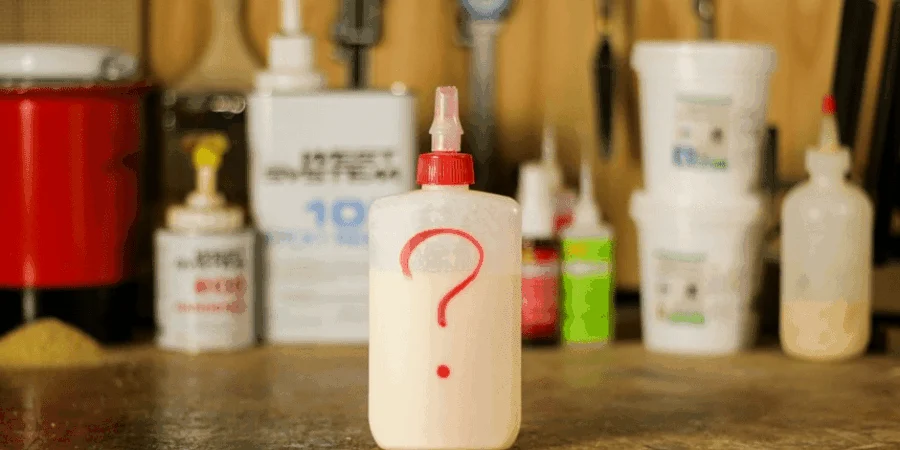
Gluing is first a structural engineering task. Joint fit, glue-line thickness, wood moisture, application temperature, clamping and cure all affect the result. Adhesive hardness or price cannot establish a ranking of whole-guitar tone. Glue-film measurements, strength tests on wood specimens and listening tests on instruments address different questions and are not interchangeable evidence.
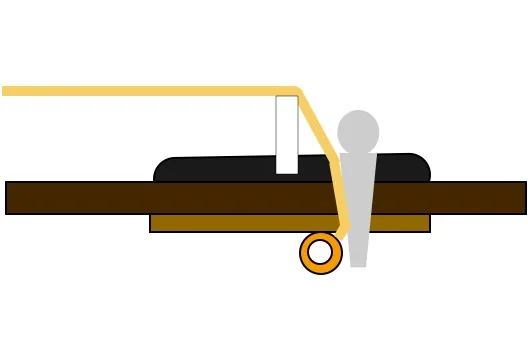
Image source:Larry Jacobsen · CC BY 2.0
Section 2: The Traditional Standard: Animal Protein Adhesives
Hot hide glue uses gelatinous material derived from collagen. Cooling forms a physical gel; further water loss hardens the joint. This is not crystallization or the chemical cross-linking of a synthetic thermoset. Controlled warmth and moisture can aid repair disassembly while the wood and finish still require protection. Fish glue and bottled liquid hide glue vary in open time, humidity resistance and strength; a 30-minute figure for one formulation is not universal.
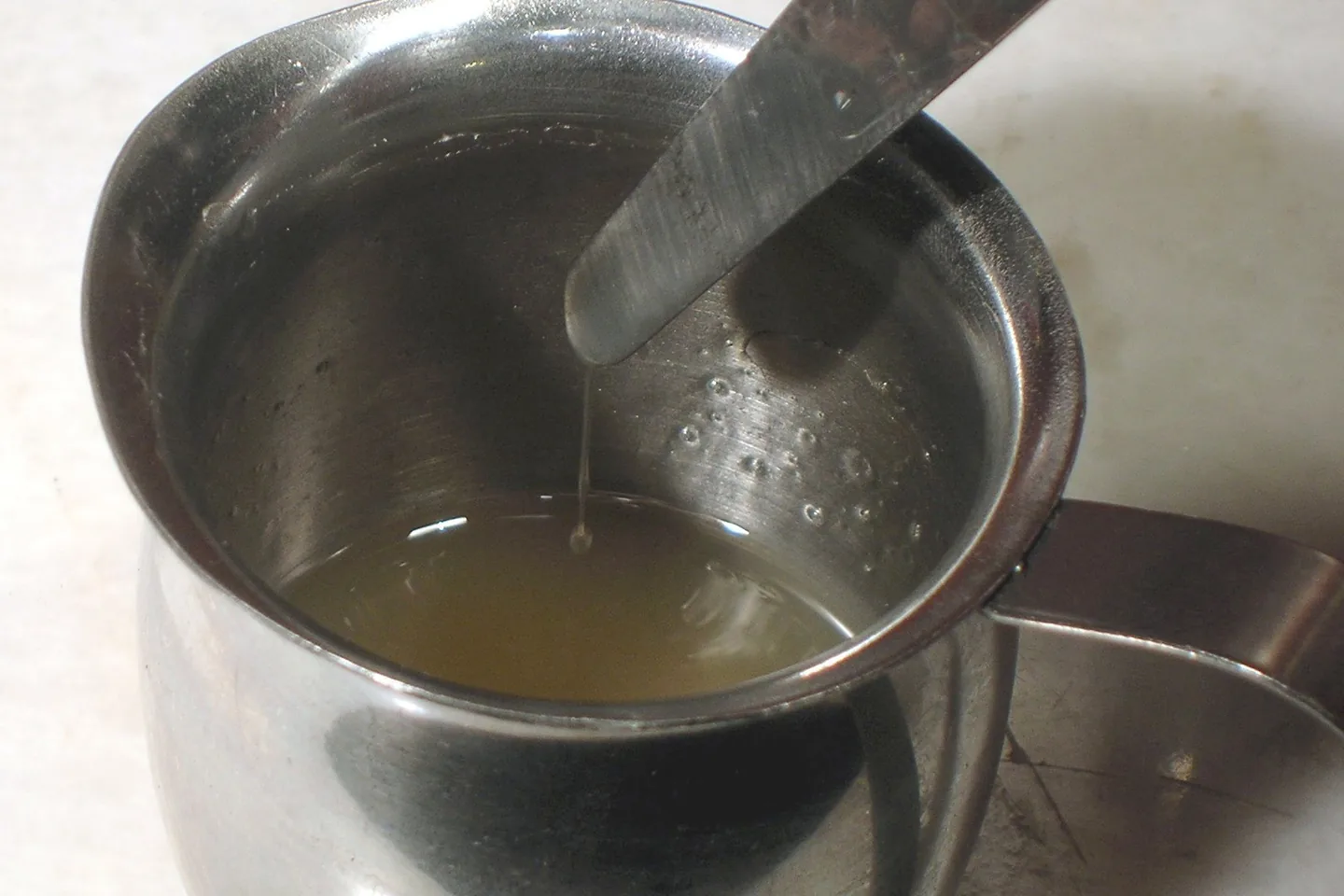
Image source:Just plain Bill · CC BY-SA 3.0
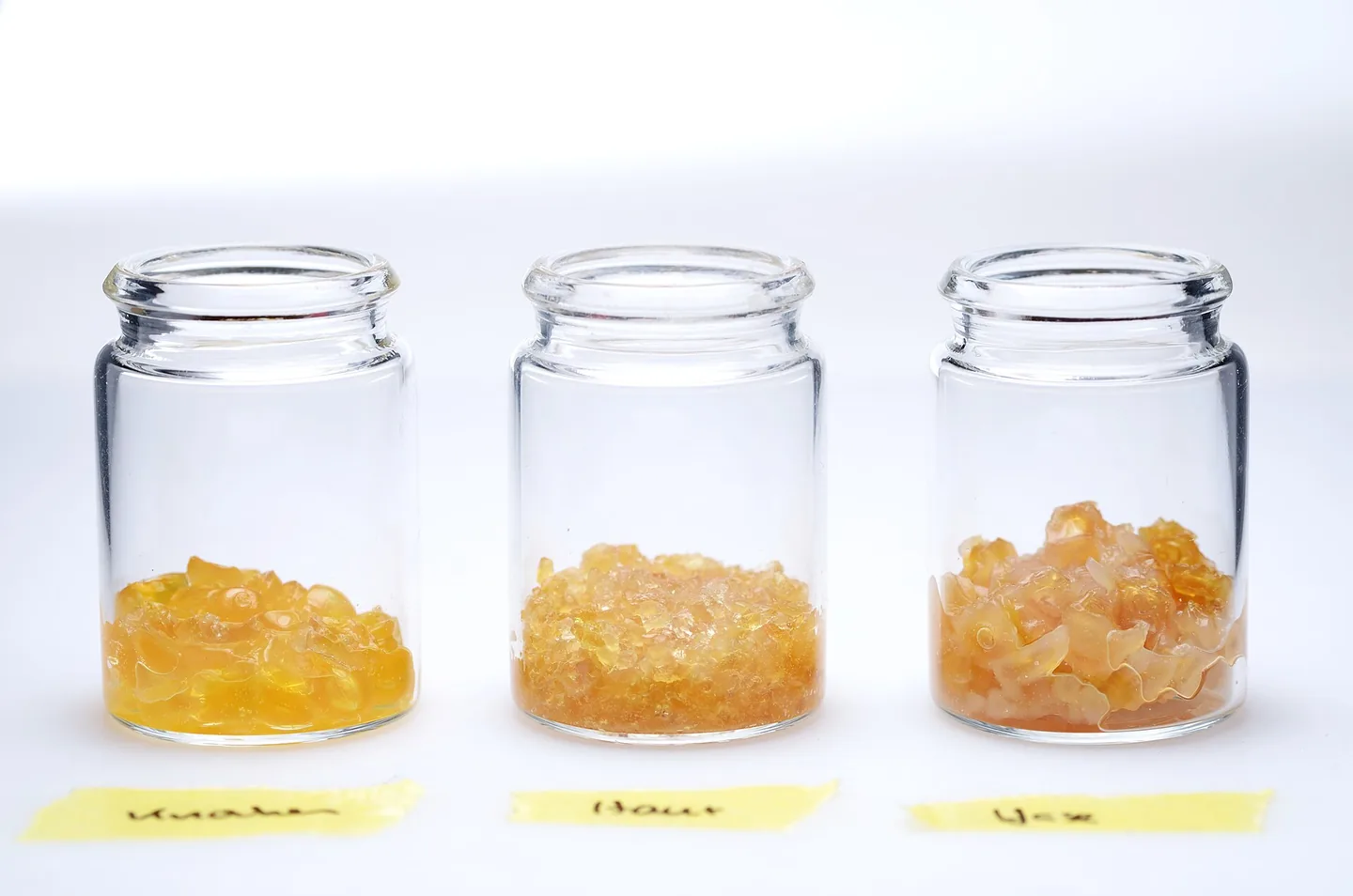
Image source:Simon A. Eugster · CC BY-SA 3.0
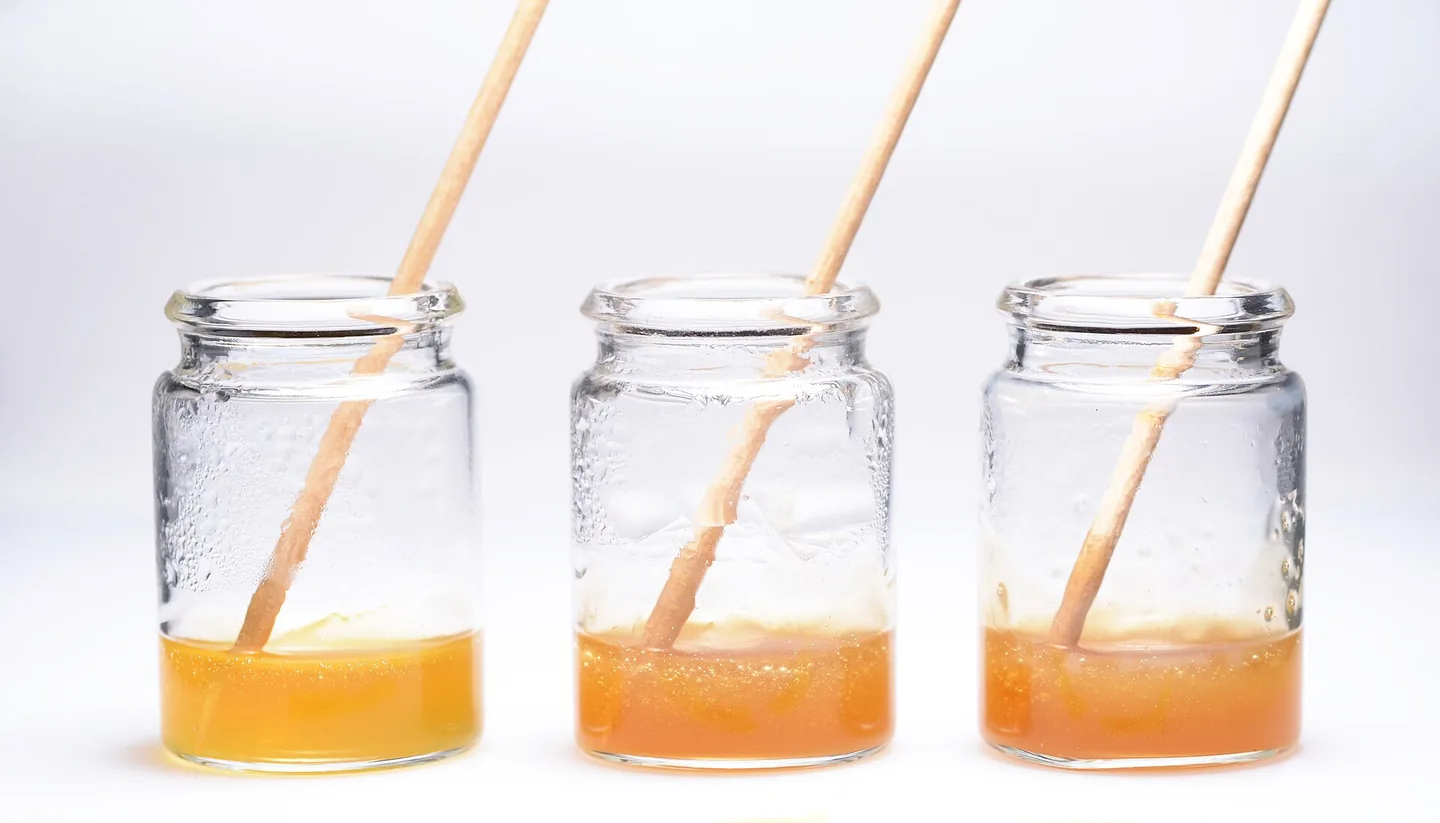
Image source:Simon A. Eugster · CC BY-SA 3.0
Section 3: The Modern Workshop Staple: Aliphatic Resin Emulsions
Titebond Original, II and III have different formulations; not all emulsion wood glues are the same uncross-linked thermoplastic. Manufacturer reference open times are approximately 4–6, 3–5 and 8–10 minutes respectively under stated test conditions, not full-cure times. Original is for interior use; II and III pass ANSI/HPVA Type II and Type I water-resistance tests. III is not for continuous submersion or use below the waterline. Water resistance does not make a guitar waterproof or prove worse tone or greater creep.
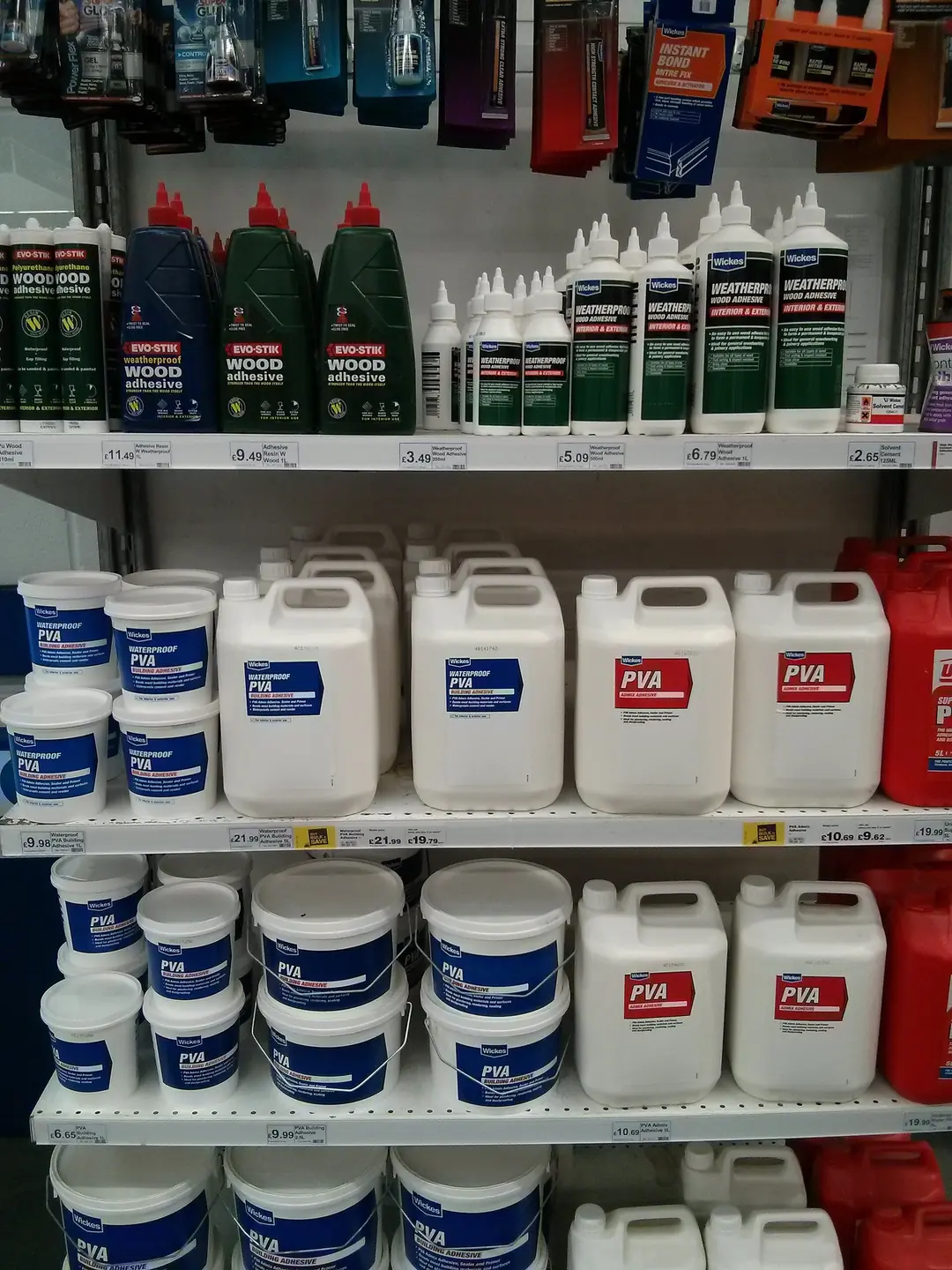
Image source:Victuallers · CC BY-SA 3.0
Section 4: Urea-Formaldehyde Resin: Industrial Strength and Historical Resonance
Urea-formaldehyde resins can form cross-linked networks through condensation and suit some industrial laminating processes. Brittleness, moisture resistance, formaldehyde emissions and repair difficulty depend on the formulation. A hard glue line does not prove “best acoustic transmission.” Products may be powders, aqueous preparations or two-component systems; consult the specific data sheet for working and clamping times.
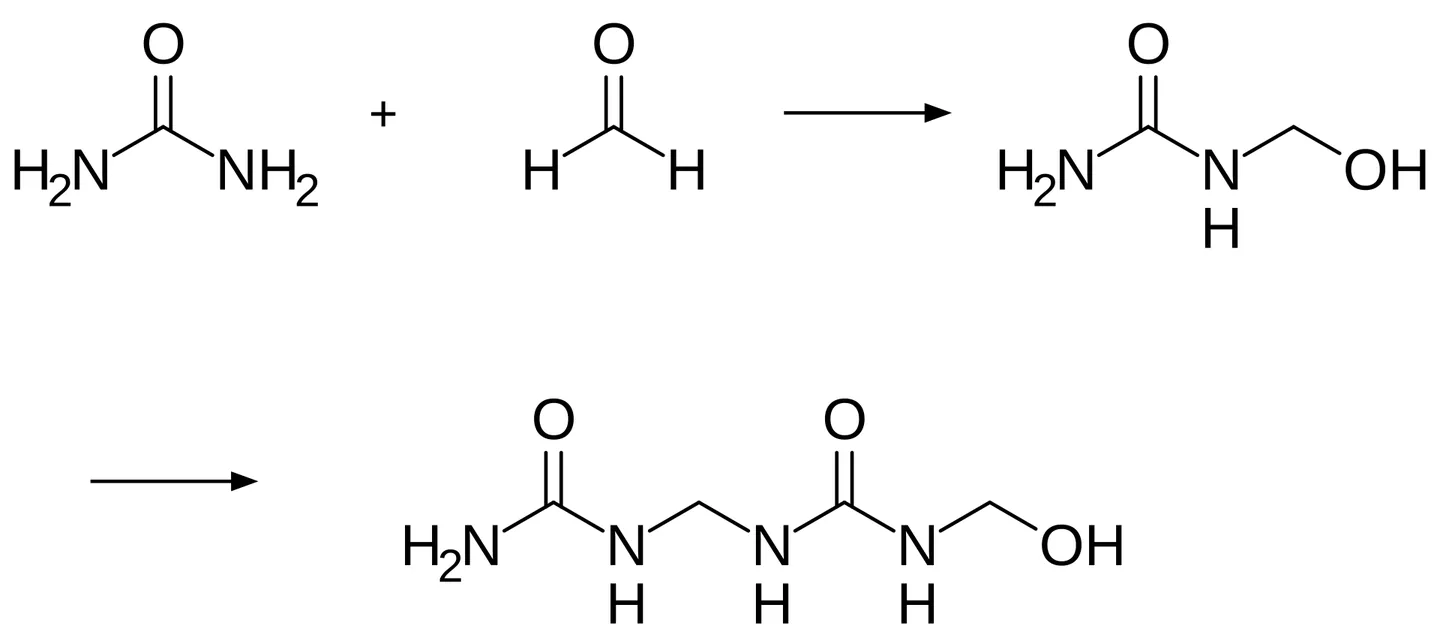
Image source:Innerstream · Public domain
Section 5: Instant Bonding: Cyanoacrylate (CA) Systems
Cyanoacrylate (CA) polymerizes rapidly with traces of moisture. The common ethyl monomer, C₆H₇NO₂, differs from methyl cyanoacrylate; a methyl-polymerization diagram is not the ethyl molecular structure. CA can serve some inlay, fret-retention or local repairs, depending on substrate and formulation. “All CA has low shear strength” is inaccurate; brittleness, peel, impact and gap limits often matter more. A saddle normally needs to remain removable for adjustment rather than being permanently glued by default.

Image source:Roland Mattern · Public domain
Section 6: The Ultimate Bond: Two-Part Epoxy Systems
Two-part epoxy forms a network by reaction between resin and hardener. Ratio, mixing, temperature and cure time directly affect performance. Suitable structural epoxies are common for composites and some filling, but not every epoxy is equally stiff, creep-resistant or suited to arbitrary gaps. Cured joints are usually harder to reverse than hide-glue joints; that neither means they never need repair nor makes every epoxy joint impossible to dismantle. Epoxy is a common carbon-fibre bonding choice, not the only conceivable adhesive.
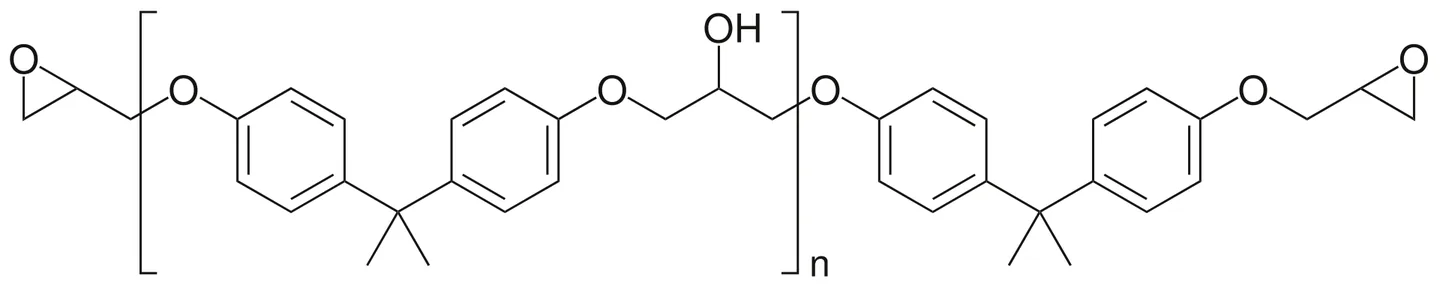
Image source:Choij · Public domain
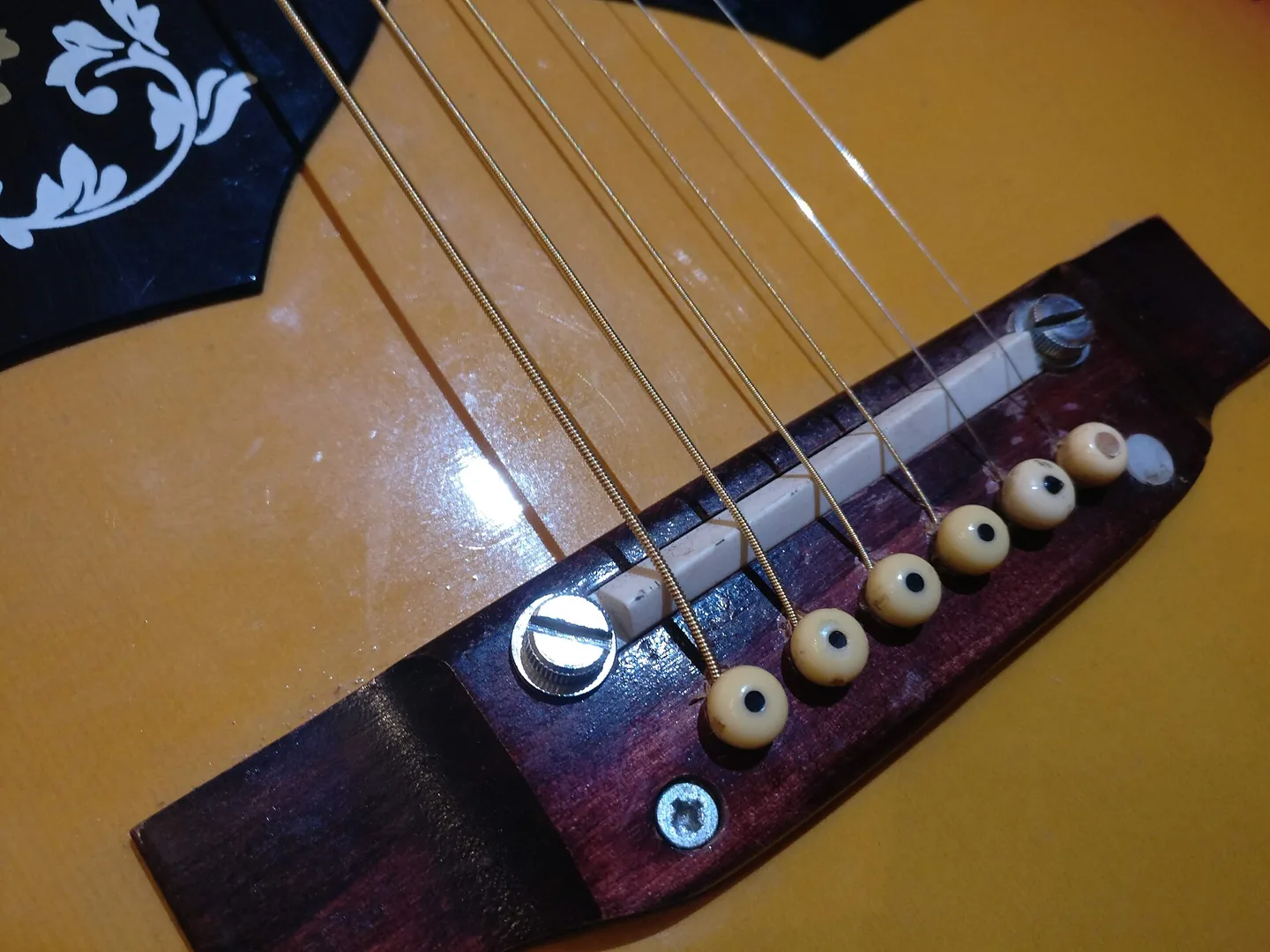
Image source:Elmschrat · CC BY-SA 4.0
Section 7: Comprehensive Comparison and Application Strategy
Select glue by joint materials, loads, fit, repairability and workshop conditions, then consult manufacturer data rather than “waterproof,” “strongest” or tonal rankings. Open time, total assembly time, clamp time and full cure are distinct. For repair, identify the old adhesive and surface condition and test cleaning, bonding and disassembly on samples. Wetting, intermolecular attraction and mechanical interlocking contribute to adhesion; ordinary PVA-to-wood adhesion should not simply be labelled covalent bonding.
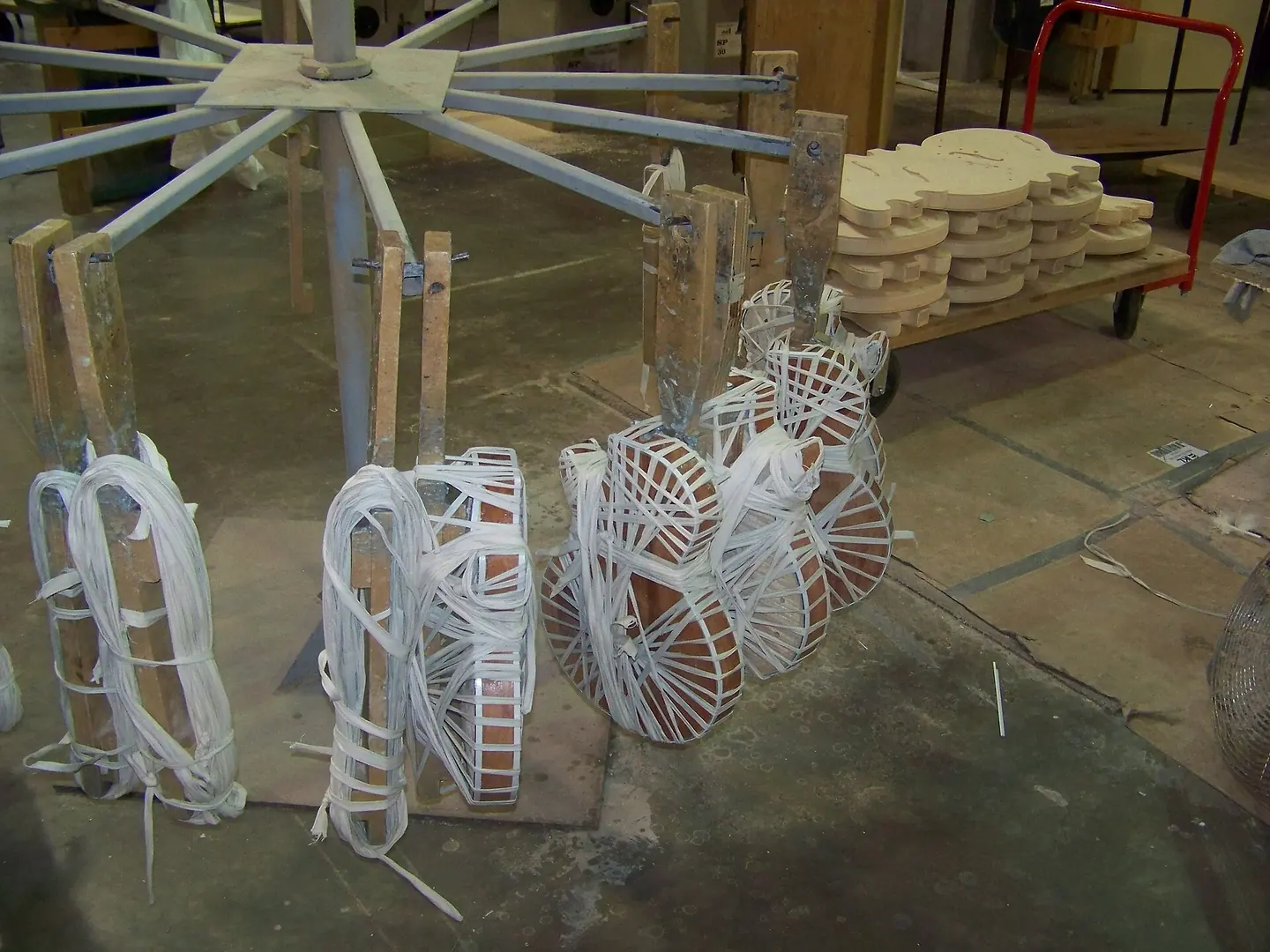
Image source:Justin Brockie · CC BY 2.0
-10--scaled-e1787801713475-110x80.jpg)