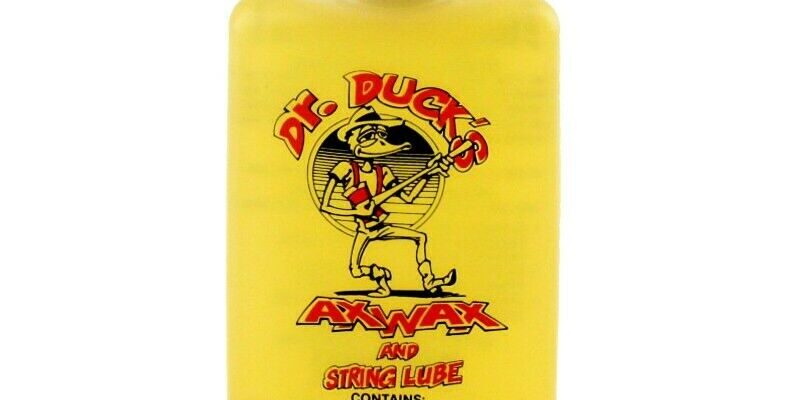
Fretboard care oils must suit the wood and its surface treatment. This guide compares mineral, plant and formulated lemon oils, explains product-specific maple restrictions, and separates conditioning from humidity control.
Contents
Chapter 1: Basic Scientific Principles of Fretboard Care Oils
Fretboard care starts with identifying the wood, its surface treatment and the product's intended use. Mineral oil consists mainly of hydrocarbons; vegetable oils consist mainly of triglycerides. Mineral oil is not a fatty-acid oil, so iodine-value categories used for vegetable oils do not describe it directly. Drying oils oxidize and form films, but the rate depends on formulation, quantity, temperature and driers. Neither “natural” nor “petroleum-based” alone establishes suitability.
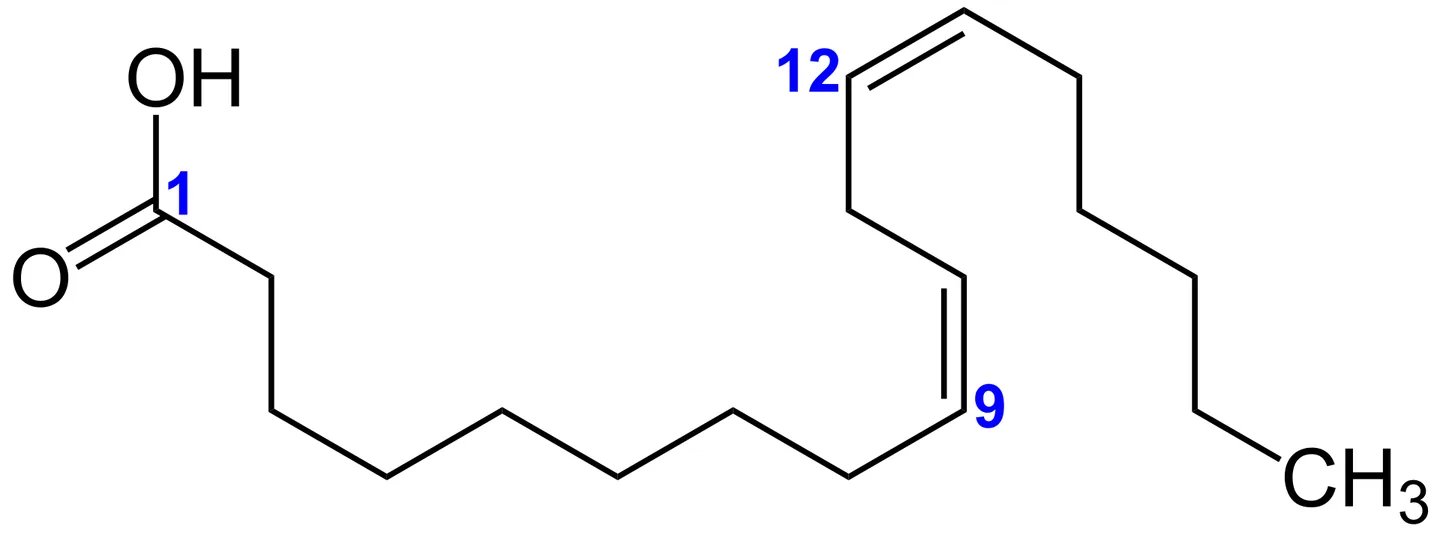
Image source:Jü · Public domain
Chapter 2: In-Depth Analysis of Common Fretboard Care Products
The name “lemon oil” is not a substitute for ingredients and instructions. Dunlop 65 explicitly excludes maple fretboards, so its use cannot be generalized to every unfinished wood. Limonene is a terpene hydrocarbon solvent; its citrus origin does not make it a strong acid. An aqueous pH classification cannot simply be applied to an essential oil. Concentrated citrus oil differs from a formulated conditioner and may be incompatible with finishes, adhesives or plastics.
Image source:Chemik10 · CC BY-SA 2.5
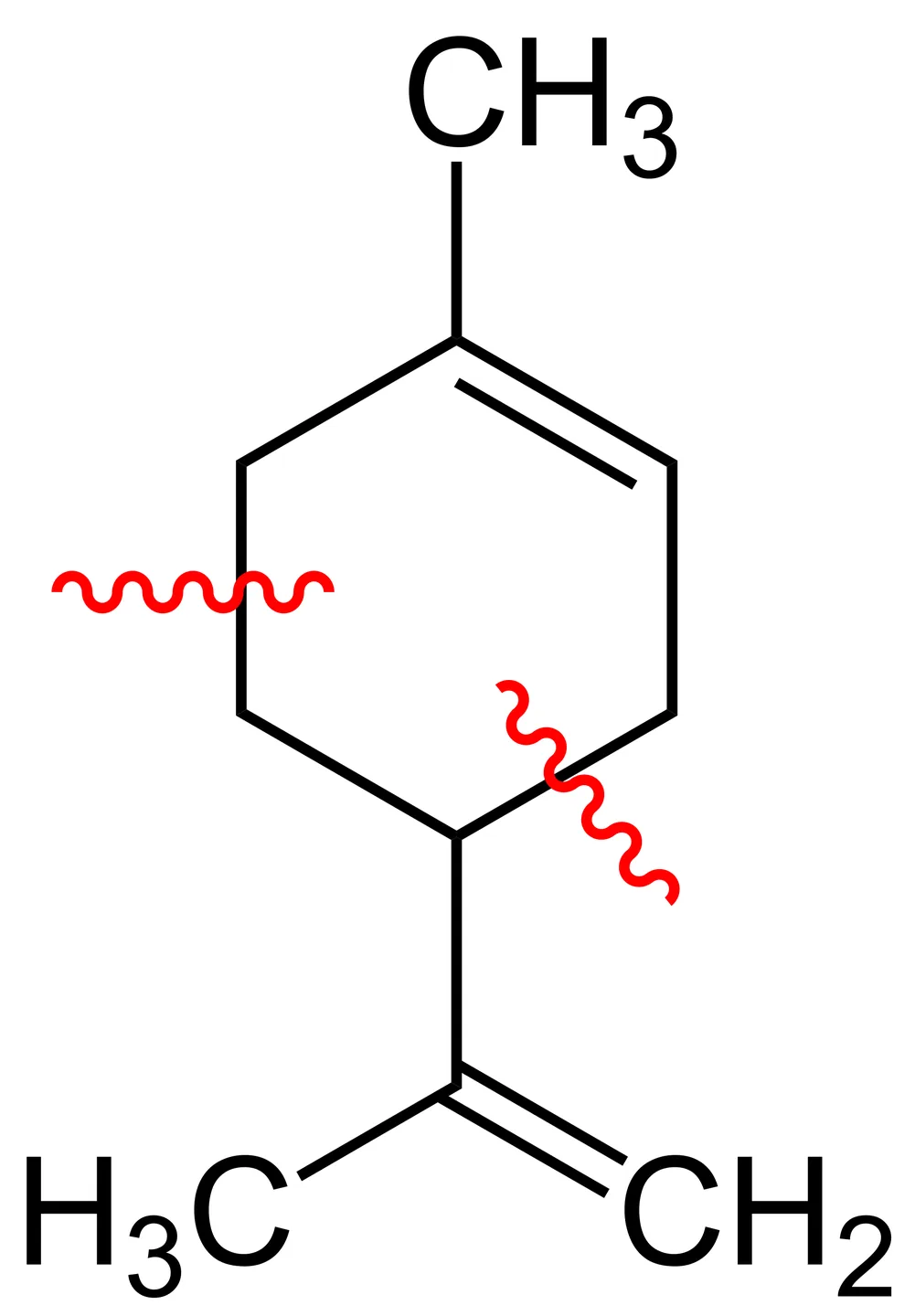
Image source:Jü · Public domain
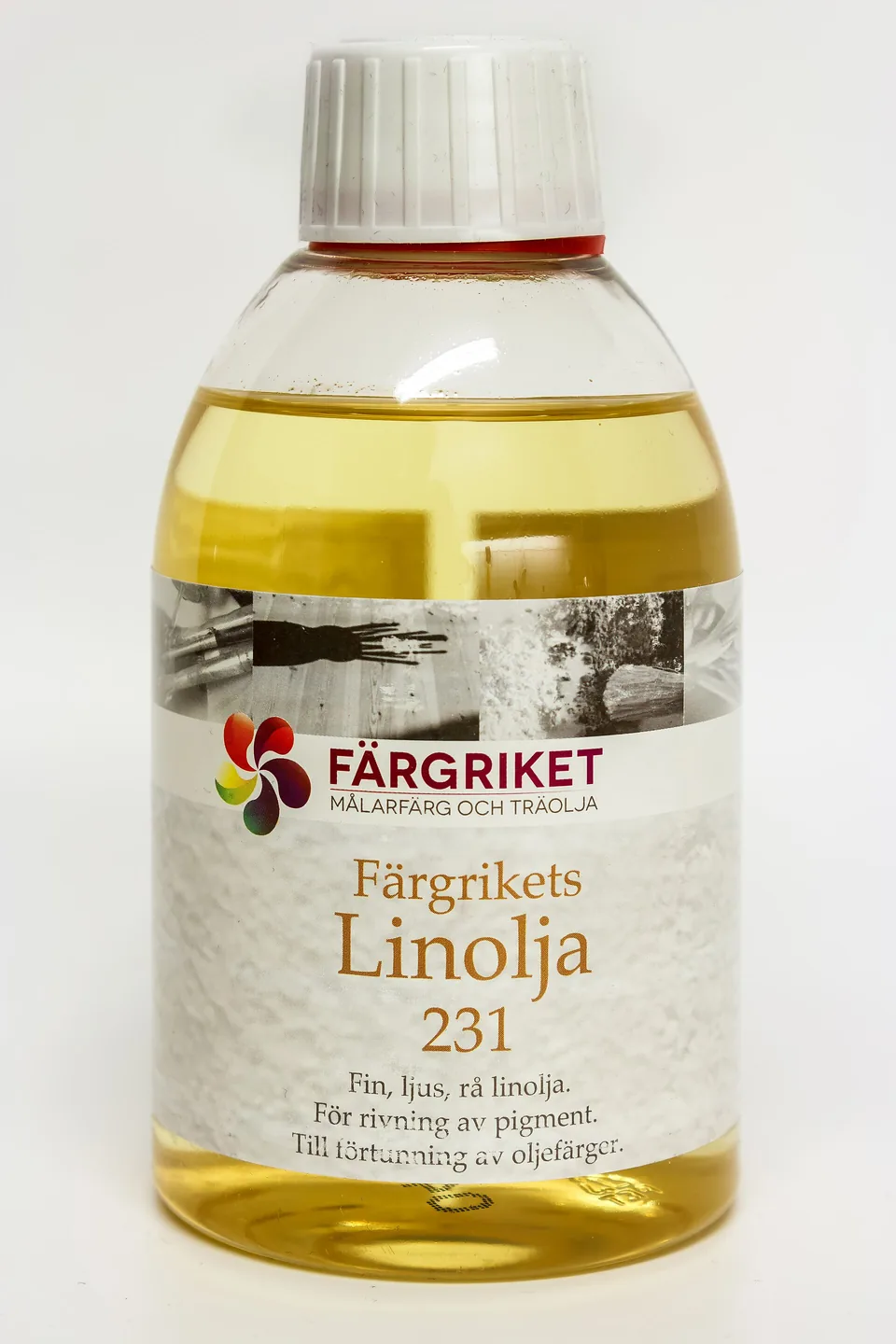
Image source:W.carter · CC BY 4.0
Chapter 3: Evaluation of Modern and Professional-Grade Care Oils
Choose each conditioner according to its own instructions. MusicNomad specifies F-ONE for unfinished rosewood, ebony and maple; that does not authorize all vegetable oils or all “lemon oils” on maple. A proprietary formula cannot be claimed to contain particular antioxidants, never become rancid or outperform mineral oil without supporting analysis. Do not substitute cooking oil, baby oil or pure essential oil for the specified product: additives, oxidation, residue and material compatibility all matter.
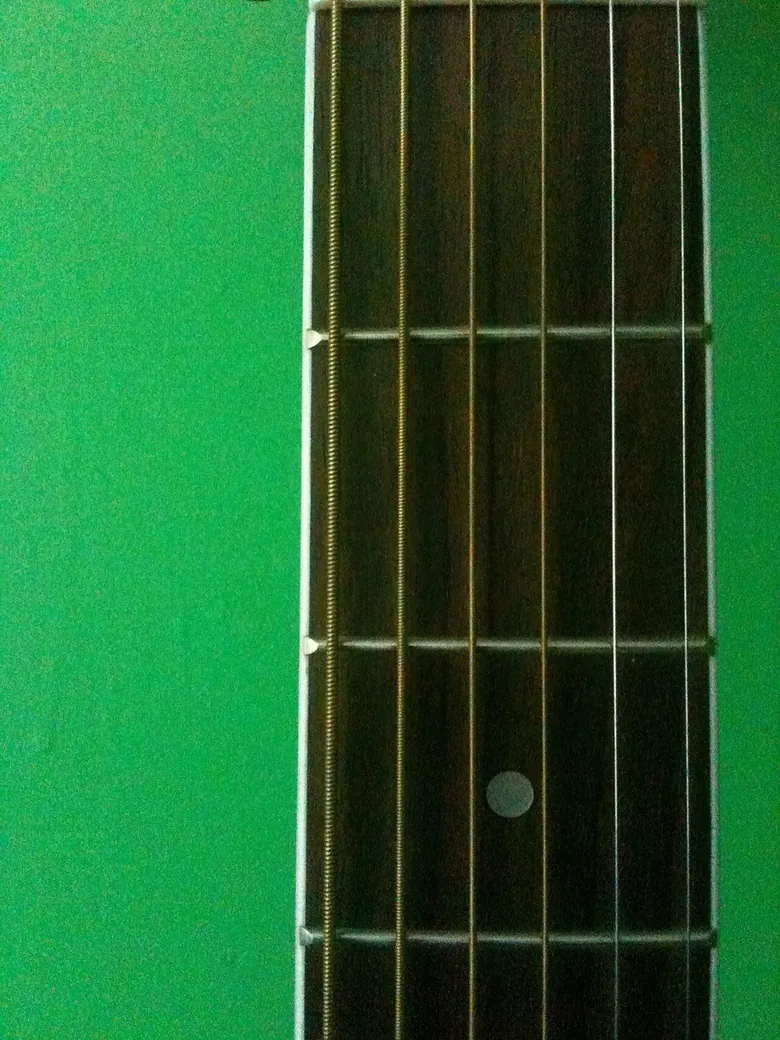
Image source:Echoes.in.side · CC BY-SA 2.5 mx
Chapter 4: Practical Guide to Fretboard Care and Oil Selection
Finished or sealed fretboards generally need compatible cleaning, not oil intended to “rehydrate” the wood through the coating. If the manufacturer permits conditioner on an unfinished board, remove dirt first, apply sparingly and wipe off excess after the specified dwell time. Avoid soaking and pooling around fret slots or joints. Frequency depends on use, environment and manufacturer guidance; a fixed annual schedule is not a rule for every guitar.
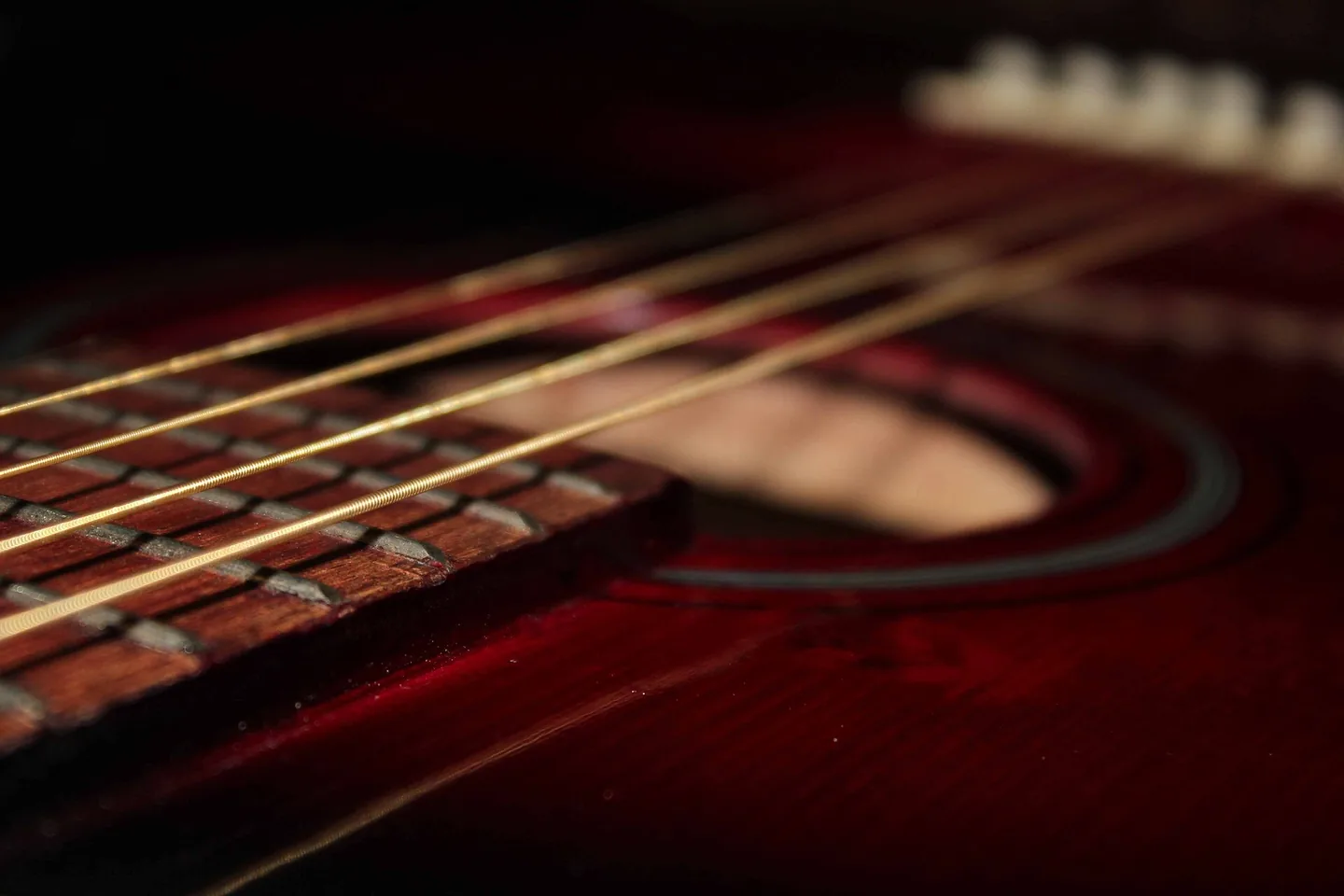
Image source:Pisethinfo · CC BY-SA 3.0
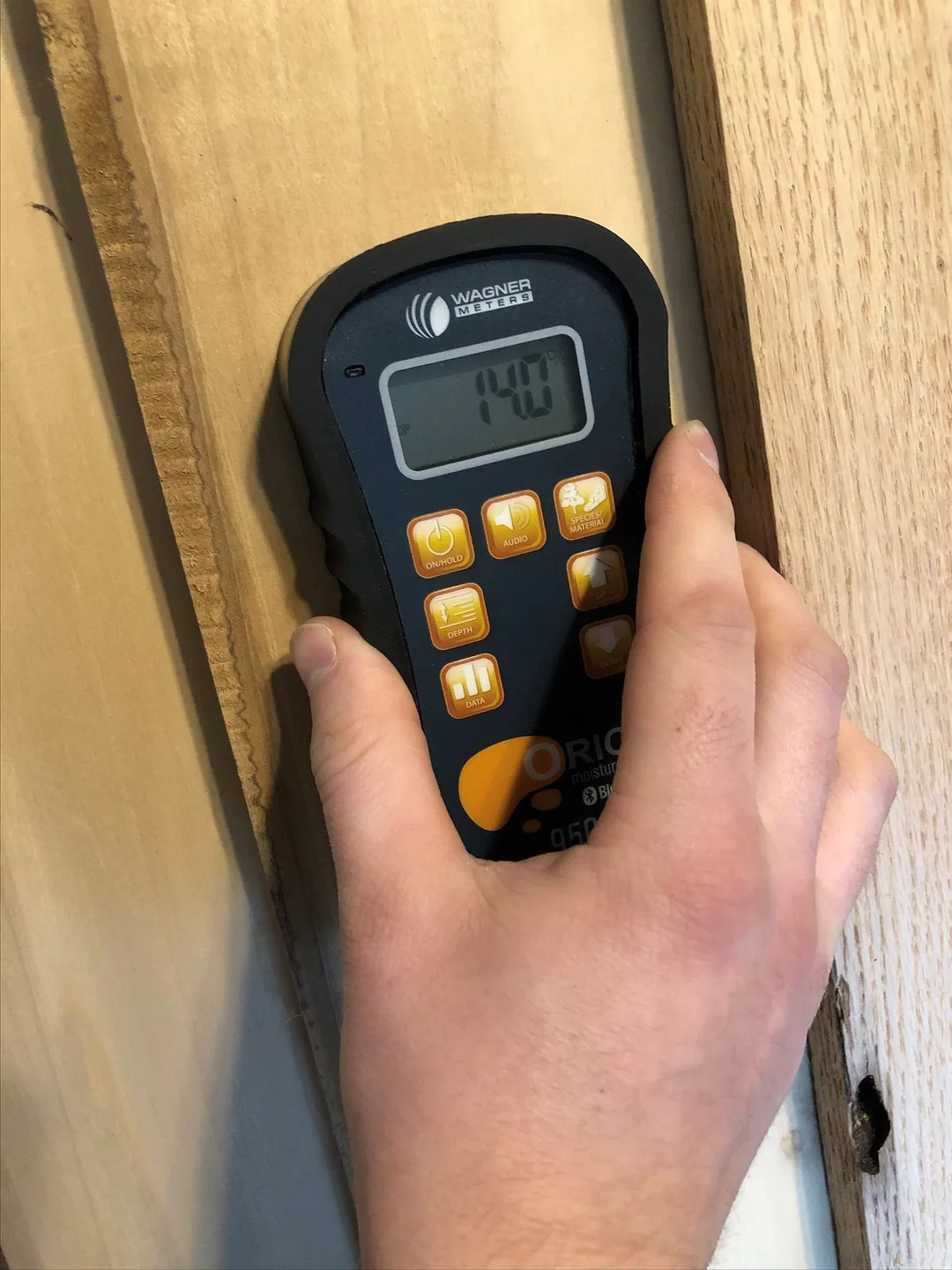
Image source:Hrco · CC BY-SA 4.0
Chapter 5: Conclusion: Establishing an Evidence-Based Instrument Care Philosophy
Wood moisture content is governed mainly by temperature, relative humidity and sorption history. Conditioner cannot replace humidity control or repair an existing crack. Common guidance is roughly 40–55% RH, but follow the guitar maker's range and avoid abrupt changes and extreme temperatures. Drying oils can be part of a manufacturer's designed oil-and-wax finish; they are not universally forbidden on instruments, nor are they everyday conditioners for every board. Seek repair advice for staining, cracks or an unidentified surface treatment.
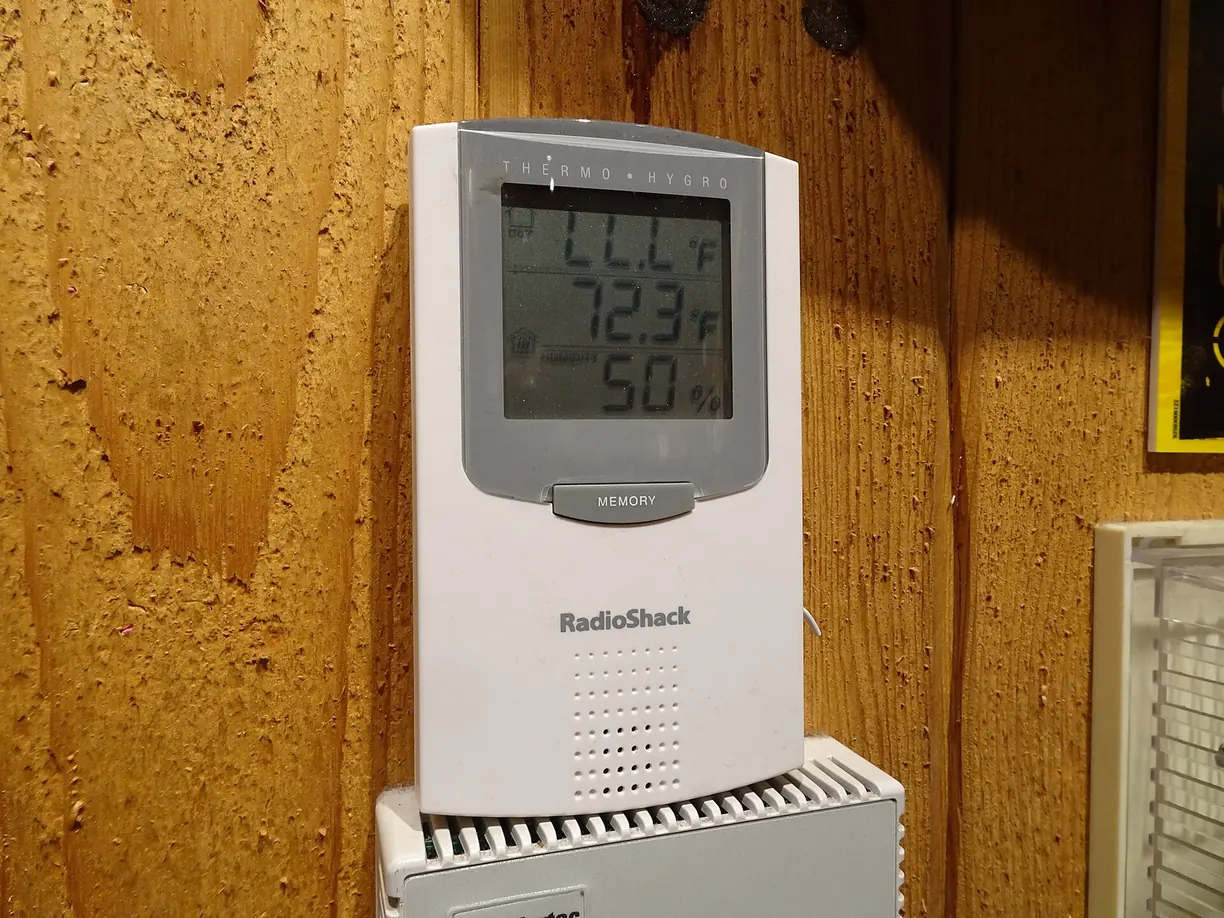
Image source:B137 · CC BY-SA 4.0
Fretboard product suitability
The name “lemon oil” is not a substitute for ingredients and instructions. Dunlop 65 explicitly excludes maple fretboards, so its use cannot be generalized to every unfinished wood. Limonene is a terpene hydrocarbon solvent; its citrus origin does not make it a strong acid. An aqueous pH classification cannot simply be applied to an essential oil. Concentrated citrus oil differs from a formulated conditioner and may be incompatible with finishes, adhesives or plastics.
Finished or sealed fretboards generally need compatible cleaning, not oil intended to “rehydrate” the wood through the coating. If the manufacturer permits conditioner on an unfinished board, remove dirt first, apply sparingly and wipe off excess after the specified dwell time. Avoid soaking and pooling around fret slots or joints. Frequency depends on use, environment and manufacturer guidance; a fixed annual schedule is not a rule for every guitar.
Fretboard care oils: checks and conditions
| Item | Correct interpretation | Practical check |
|---|---|---|
| Dunlop 65 lemon oil | The manufacturer excludes maple fretboards | Follow this product label; do not generalize to other oils |
| MusicNomad F-ONE | Listed for unfinished rosewood, ebony and maple | For finished boards, follow the finish and product instructions |
| Food oils, baby oil and pure essential oils | Ingredients and additives differ from dedicated care formulas | Avoid routine substitutes; oil does not replace humidity control |
Sources and further reading
Text version of this page
Fretboard product suitability
Select a category to compare ingredients and limitations; no unmeasured performance scores are assigned.
Check material compatibility in the instructions. Oil is not water and cannot replace humidity control.
Sources and further reading
- Dunlop 65: maple exclusion
- MusicNomad F-ONE: unfinished fretboards
- PubChem: limonene